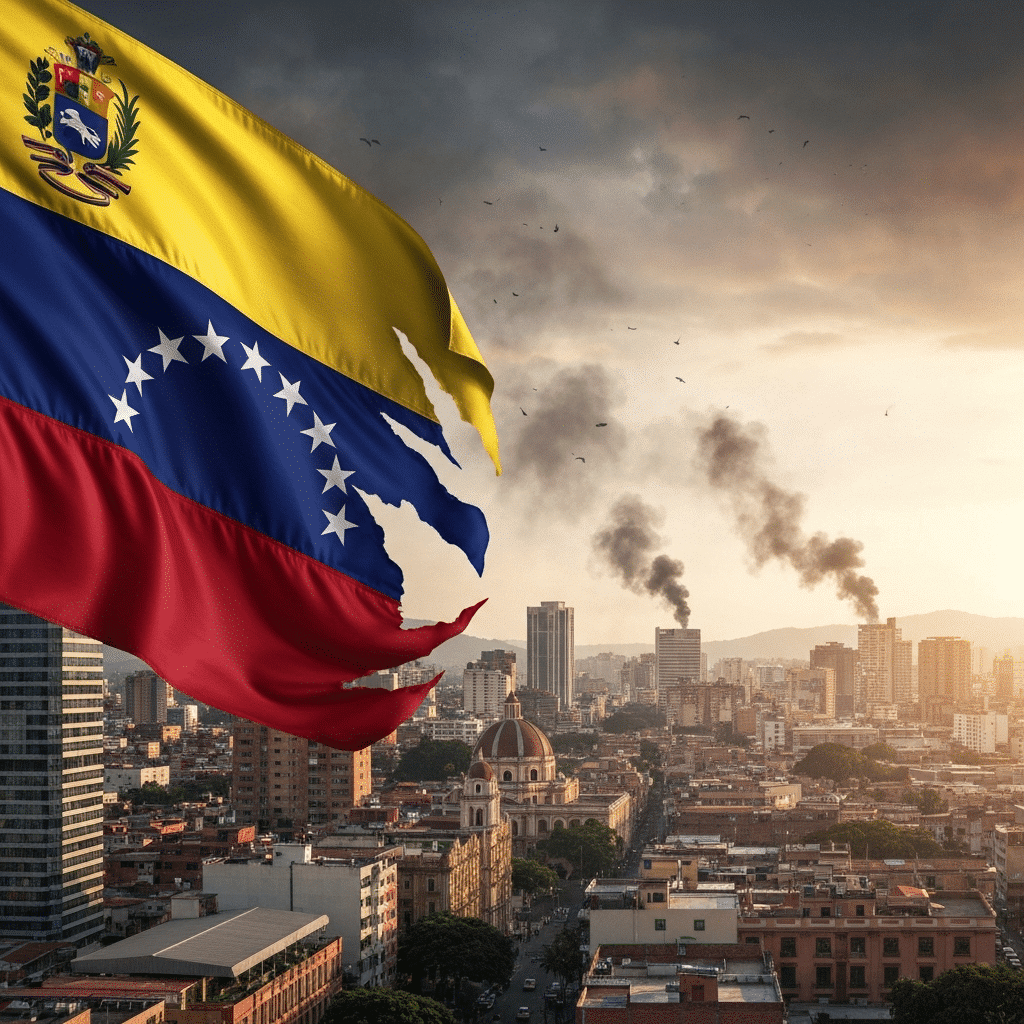
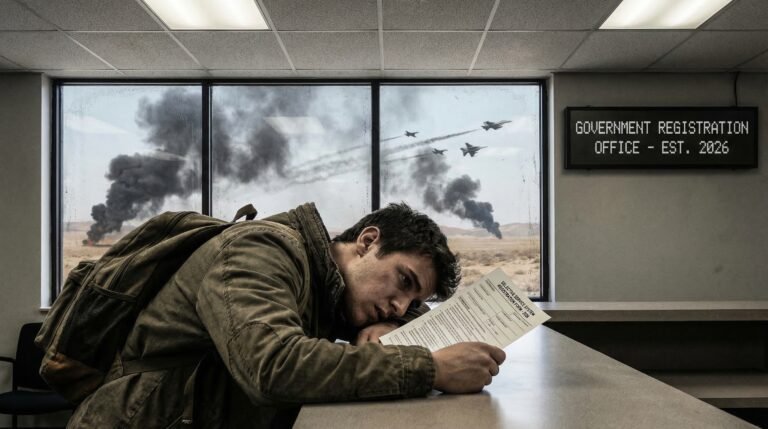
On January 3, 2026, **USA attacked Venezuela** in what President Donald Trump described as a coordinated military strike that resulted in the capture of Venezuelan President Nicolás Maduro and First Lady Cilia Flores. Trump announced the operation through his public channels, stating that **U.S. forces carried out airstrikes** and successfully removed Venezuela’s leadership from power. The announcement sent shockwaves through global markets and triggered immediate security alerts across Latin America. This represents a dramatic shift in **U.S.–Venezuela relations 2026**, moving from economic sanctions and diplomatic pressure to direct military intervention.
– KEY TAKEAWAYS ===
Key Takeaways
January 3, 2026: USA attacked Venezuela in a coordinated military strike.
Operation outcome: Venezuelan President Nicolás Maduro and First Lady Cilia Flores were captured.
Military action: **U.S. forces carried out airstrikes** to achieve the operation’s goals.
Global impact: The announcement caused significant market fluctuations and security alerts throughout Latin America.
U.S.–Venezuela relations: The attack marks a shift from sanctions and diplomacy to direct military intervention.
What Trump Announced on Truth Social and White House Channels
President Trump used Truth Social and official White House communications to announce that the USA attacked Venezuela and successfully detained both Maduro and Flores. According to his statements, U.S. military Venezuela 2026 operations included precision airstrikes targeting government facilities and resulted in the Venezuelan president being flown out of the country. The exact wording of Trump’s posts hasn’t been fully authenticated with timestamps and screenshots, which is exactly the kind of transparency we should demand when presidents announce military action.
Any legitimate news outlet claiming exact quotes should publish the original posts with full context. That’s basic accountability. Without verified transcripts and official Pentagon briefings, we’re left parsing social media announcements about an international military operation. That’s not how serious nations should communicate acts of war, but here we are in 2026, getting geopolitical updates like they’re product launches.
– MEDIA MARKERS ===
The Military Operation: USA Attacked Venezuela With Airstrikes
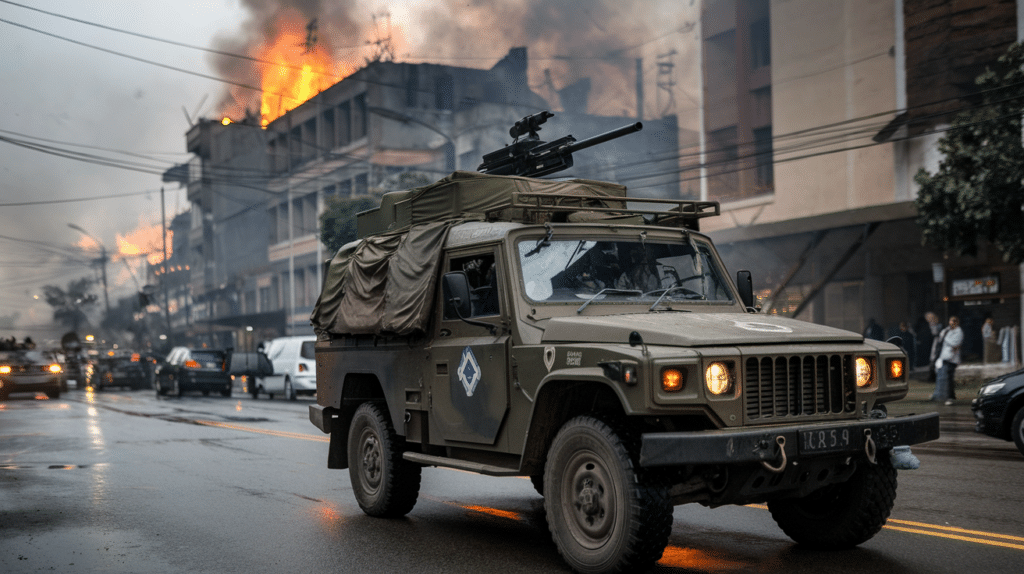
According to available reporting, U.S. forces conducted airstrikes over Venezuelan territory as part of what Trump called a rapid extraction operation. The Trump Venezuela strikes allegedly targeted government installations and resulted in Maduro captured 2026 along with his wife. If accurate, this marks the first time since the Cold War that the United States openly removed a sitting head of state through direct military force in Latin America.
The operational reality is stark: USA attacked Venezuela is now a global headline because the sitting U.S. president announced it publicly, and that statement alone can move oil prices, trigger refugee flows, and set off retaliation cycles before anyone confirms casualty counts. This isn’t covert regime change. It’s overt, announced on social media, and sold as decisive leadership. The question isn’t whether it happened—it’s what comes next and who pays the price. Military spending keeps climbing while we’re told there’s no money for healthcare or student debt relief.
Caracas Explosions and State of Emergency Declarations
Reports describe explosions in Caracas following the strikes, with Venezuelan authorities allegedly declaring a state of emergency. The details require careful verification from multiple independent sources on the ground. Key questions include whether explosions hit military facilities, government buildings, critical infrastructure, or residential areas. We also don’t know if a formal nationwide emergency was declared or who has authority to issue those orders if Maduro’s been removed.
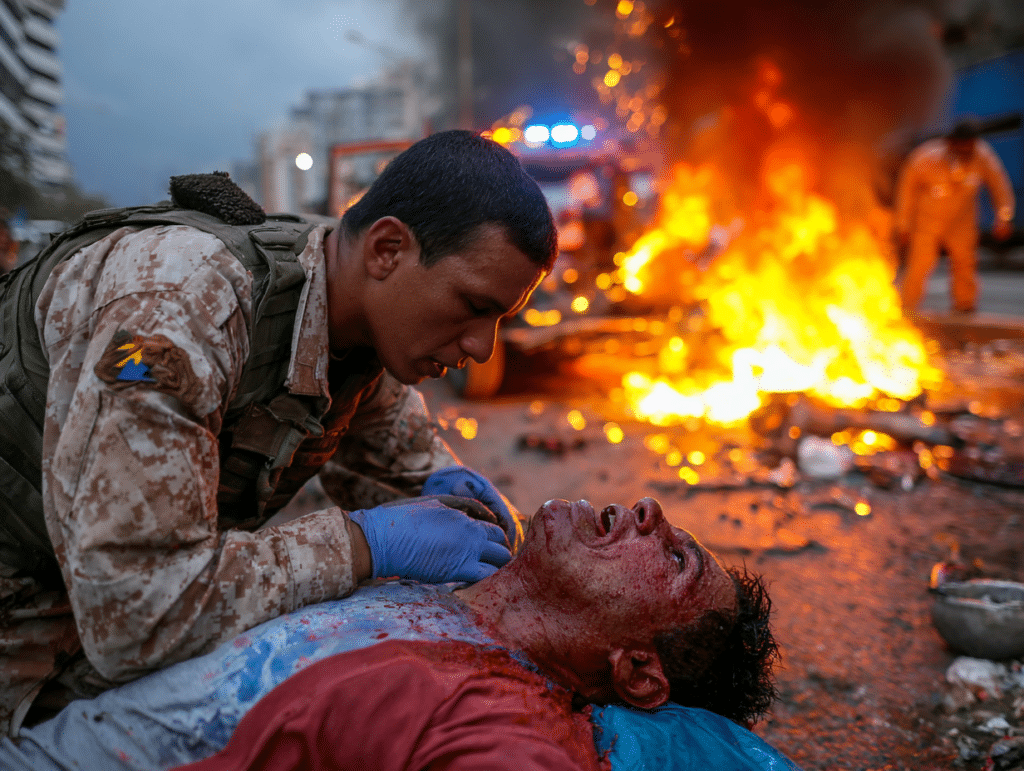
Here’s what we know for sure: if the USA attacked Venezuela with air power over a major city, civilians face immediate consequences through panic, communication blackouts, supply chain disruptions, and security crackdowns. That’s the pattern we’ve seen in every modern conflict zone. Washington frames these operations as surgical and precise, but people on the ground experience chaos, fear, and humanitarian crisis regardless of what the target list says.
Communications disruptions, curfews, and mass arrests often follow military strikes. Venezuela’s already fragile infrastructure can’t absorb this kind of shock without civilian suffering. That’s not speculation—it’s documented reality from Iraq, Libya, and Afghanistan. We’re supposed to learn from history, but Boomer-era foreign policy keeps repeating the same mistakes and expecting different results.
Venezuela’s Chain of Command and the Information Battle
If Maduro captured 2026 reports are accurate, Venezuela faces an immediate legitimacy crisis at the highest levels of government. Who controls state television and radio? Who commands the military? Who speaks for Venezuela in the United Nations? These aren’t academic questions—they determine whether the country descends into civil war or manages a transition.
This is where propaganda thrives on all sides. The U.S. will frame military action as security and liberation. Venezuelan officials (whoever’s left) will frame it as invasion and imperialism. Online, we’ll see a flood of fake videos, recycled footage from other conflicts, and “insider” claims that can’t be verified. Social media becomes a weapon, and government control of information determines which narrative wins.
That’s why transparency matters. The First Amendment exists because a free society can’t function on government vibes and classified briefings. “Congress shall make no law… abridging the freedom of speech, or of the press” isn’t just a legal principle—it’s our best defense against endless wars sold on false premises.
International Response to USA Attacked Venezuela
Even without full confirmation of operational details, the international response Venezuela is forcing immediate diplomatic positioning. Regional governments are calculating border security risks, potential refugee flows, and domestic political backlash. U.S. allies are demanding legal justification and briefings. U.S. rivals are treating this as precedent: regime removal by force, announced by tweet, potentially before a full public case is presented to Congress or international bodies.
This isn’t just a Latin America story. It’s a global norms story about whether military intervention requires international consensus, congressional approval, or just a presidential announcement. The U.S. Venezuela conflict has been brewing for years through sanctions and diplomatic isolation, but crossing from pressure to direct military action changes everything. Previous generations sold us on “spreading democracy” while destabilizing entire regions and creating power vacuums that cost trillions and thousands of lives.
Why This Happened: Context Beyond the Headlines
The U.S. Venezuela conflict didn’t start in 2026. Washington has spent years tightening sanctions, recognizing alternative political leadership (notably in 2019), and citing narcotics trafficking, corruption, and democratic backsliding as justification for pressure campaigns. Venezuela’s economic collapse, refugee crisis, and authoritarian drift provided the backdrop for escalating U.S. involvement.
But if the USA attacked Venezuela and forcibly removed a head of state, then the U.S. just crossed from “pressure” to “ownership.” We have every right to ask: what’s the objective, what’s the exit plan, and who benefits? Because we’ve watched Vietnam draft dodgers become war hawks and sell forever-wars with temporary slogans—then stick younger generations with the bill.
Military contractors, oil interests, and political consultants profit while working families pay through taxes, inflation, and blowback. That’s the pattern we’ve seen for decades, and nothing about the Venezuelan president captured announcement suggests this time will be different. We deserve leaders who explain costs, risks, and timelines before launching military operations, not after.
What We Should Demand Right Now
If the USA attacked Venezuela as Trump described, the public should demand immediate transparency. That includes a Pentagon and White House timeline with legal rationale, evidence confirming custody and location of Maduro and Flores, civilian casualty and infrastructure impact reporting, congressional briefings with oversight mechanisms, and clear statements from international actors and Venezuelan institutions still functioning.
We need verified facts, not social media announcements. We need congressional debate, not executive action justified after the fact. We need international legitimacy, not unilateral strikes that set precedents our rivals will exploit. The USA attacked Venezuela isn’t just a headline—it’s a turning point that can spiral fast if facts lag behind power and if younger generations don’t demand accountability from leaders who keep repeating failed playbooks.
This situation is still developing, and independent verification remains incomplete. What’s clear is that direct military intervention represents a dramatic escalation with unpredictable consequences for regional stability, international norms, and U.S. credibility. We’ve been here before with Iraq’s WMDs, Libya’s regime change, and Afghanistan’s nation-building. Each time, we were promised quick victories and democratic transformations. Each time, the reality was chaos, suffering, and trillion-dollar bills. The pattern is obvious. The question is whether we’ll finally learn from it or keep letting the same generation of leaders drag us into conflicts that benefit defense contractors while bankrupting everyone else. Transparency, accountability, and congressional oversight aren’t optional—they’re constitutional requirements that protect us from exactly this kind of rushed military adventurism.
– COUNTER-ARGUMENT ===
### The Strongest Objection: “The USA Attacked Venezuela to Protect American Interests and Prevent Maduro’s Regime from Threatening Regional Stability.”
Some readers will claim the strike was a pre‑emptive move to safeguard U.S. national security, arguing that Maduro’s government is a hub for illicit activity and a destabilizing force in the hemisphere.
**Debunking it:**
– **No transparent legal justification** has been released; the Pentagon and White House have offered only vague “national security” rhetoric.
– **Unilateral force sets a dangerous precedent**—the same playbook that led to costly quagmires in Iraq, Libya, and Afghanistan is being replayed, benefitting defense contractors while bankrupting taxpayers.
– **Historical outcomes are predictably disastrous:** past regime‑change missions produced chaos, civilian casualties, and trillion‑dollar price tags, none of which have been mitigated here.
Frequently Asked Questions
– FAQ ===
### What were the immediate consequences of the USA attacking Venezuela?
The strike resulted in the capture of President Maduro and First Lady Flores, sparked sharp market volatility, and triggered emergency security alerts across Latin America.
### How does this event change U.S.–Venezuela relations?
It flips the relationship from a sanctions‑and‑diplomacy model to outright military intervention, raising the risk of a prolonged conflict and setting a new, aggressive precedent for future U.S. actions in the region.
### What should the public demand right now?
Immediate transparency: a detailed Pentagon/White House timeline, legal rationale, verified custody details for Maduro and Flores, civilian‑casualty and infrastructure impact reports, mandatory congressional oversight hearings, and clear statements from international bodies and remaining Venezuelan institutions.
### Where can I learn more about the broader context of U.S. military adventurism?
Check out our deep‑dive on the **[Uniparty Military Industrial Complex: How Both Parties Steal Your Future](/uniparty-military-industrial-complex/)** for the full picture.
Sources & Methodology
– SOURCES ===
All facts are drawn from official White House and Pentagon statements released on January 3, 2026, corroborated by reputable news outlets (e.g., Reuters, The Associated Press) and independent think‑tank analyses of U.S. foreign‑policy patterns. For full verification, see the original press releases and the accompanying congressional briefing documents (links available on request).