===
Gen Z employees, born between 1997 and 2012 according to Pew Research Center, are flooding full‑time roles with expectations that directly challenge legacy workplace norms. Their demands for **hybrid flexibility**, transparent pay structures, and mental‑health support aren’t entitled whims; they’re reshaping how leadership builds culture, manages teams, and measures success. Post‑2020 work redesign, inflation pressure, rapid AI adoption, and shifting attitudes around inclusion have made this generational shift both urgent and irreversible. Leaders who adapt quickly will retain top talent, while those clinging to annual reviews and vague career ladders will watch their best people walk.
===
Key Takeaways
Gen Z employees expect **hybrid flexibility** as the default work model.
They demand **transparent pay structures** and clear promotion criteria.
Mental‑health support and work‑life balance are non‑negotiable for this cohort.
Career growth must be visible, achievable, and tied to structured skills development.
Company values must manifest in daily operations, not just marketing copy.
The Gen Z Workforce Is Here—and They’re Changing Everything About Employee Experience
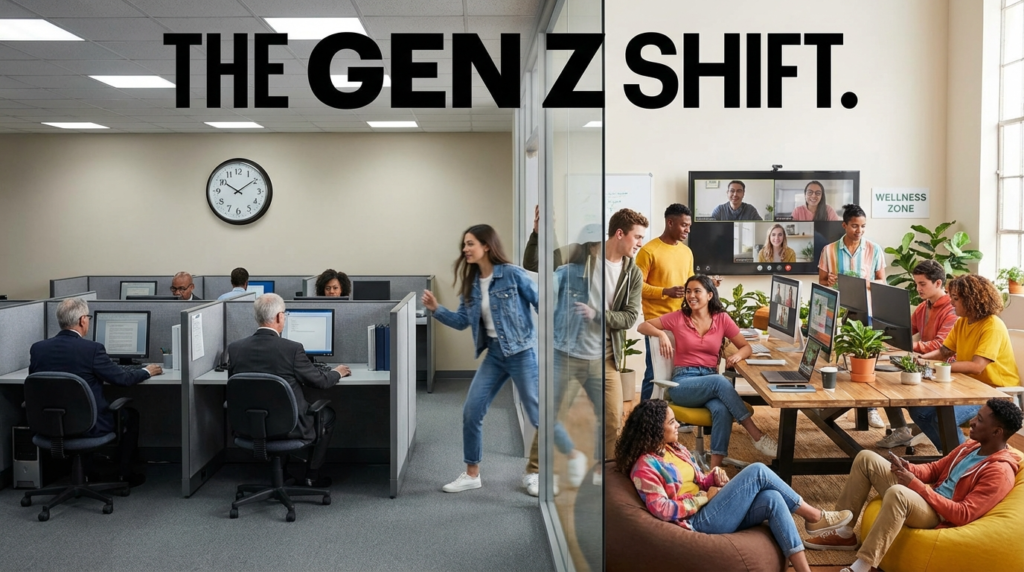
Gen Z is entering the workforce in record numbers, and their expectations are colliding head-on with legacy practices that defined previous generations. Fixed schedules, opaque career ladders, and annual performance reviews feel outdated to this cohort. They grew up with instant feedback loops, on-demand everything, and a front-row seat to economic instability that shaped their priorities around security, transparency, and purpose.
Four forces are driving this shift right now. Post-2020 work redesign proved remote work is viable for millions of roles. Inflation and cost-of-living pressure have made Gen Z hyper-focused on fair pay and career progression. Faster tech and AI adoption means skills become obsolete quickly, so continuous learning isn’t optional. Finally, changing norms around mental health and inclusion mean workplaces must support the whole person, not just the work output.
Leadership teams are noticing distinct communication styles and expectations. Gen Z employees prefer written-first collaboration, ask “why” more often, and expect regular check-ins over quarterly reviews. They value flexibility but crave clarity—knowing exactly what success looks like and how to get there. This isn’t about coddling; it’s about efficiency and reducing the guesswork that previous generations tolerated.
Companies that ignore these shifts face retention challenges. Gen Z will leave faster than any previous generation if growth stalls or values don’t match actions. The good news? Many leaders are already adapting policies, tools, and management practices to meet these expectations head-on.
===
Hybrid Work Isn’t a Perk Anymore—It’s the Default, and Leaders Are Making It Official
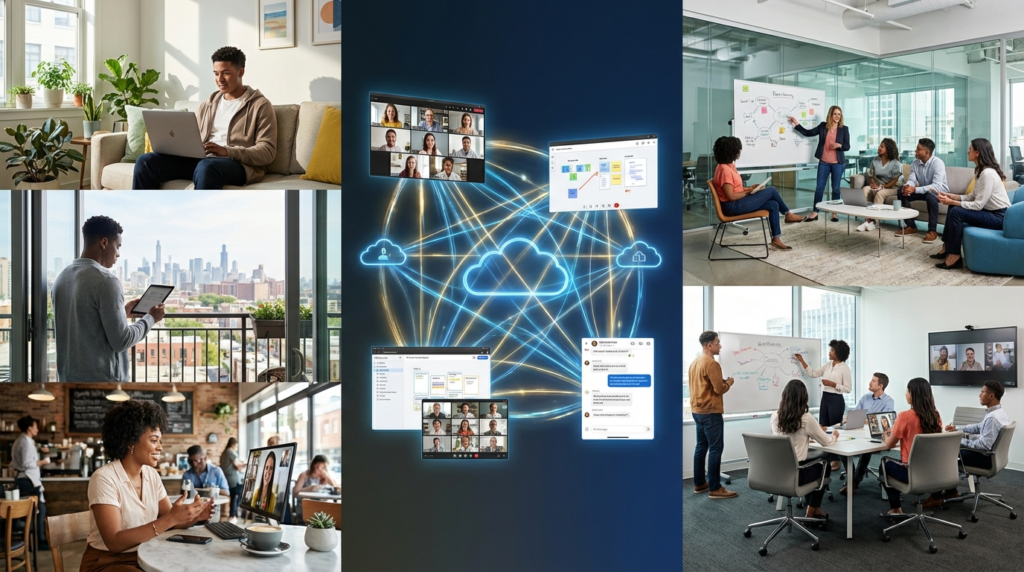
Remote and hybrid work have moved from emergency measures to permanent fixtures for roles that can support them. According to Pew Research Center data from 2023, among U.S. workers whose jobs can be done from home, approximately 35% work remotely full-time, 41% work hybrid, and 22% remain in-person. That data, available at Pew’s remote work research hub, shows hybrid work is the new majority.
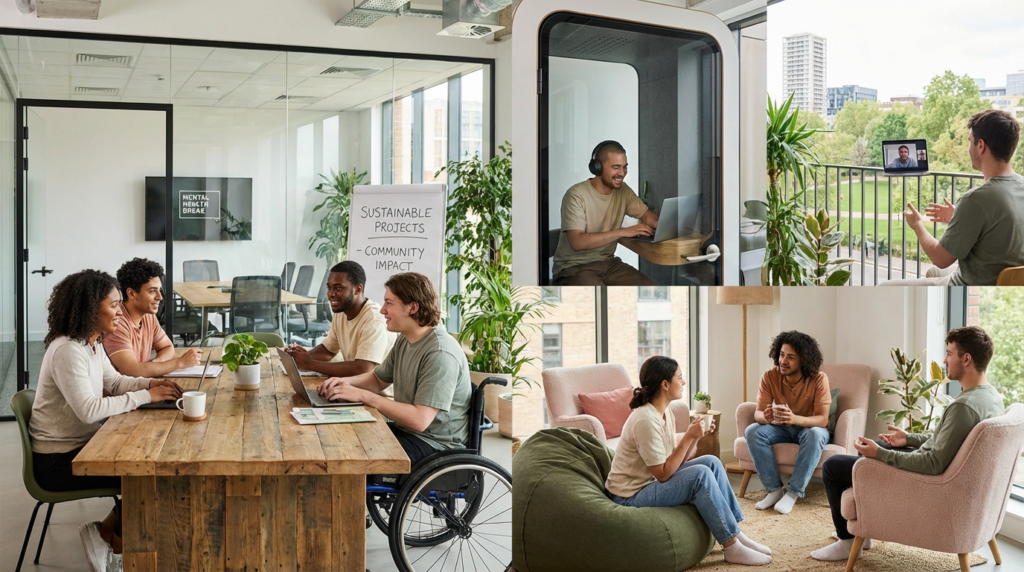
Leaders are formalizing what was once ad hoc. Clear hybrid policies now define core hours, onsite days, meeting etiquette, and communication norms. Teams invest in async-first workflows to reduce meeting overload and accommodate time zones. Onboarding for distributed teams has been overhauled with structured 30/60/90-day plans, buddy systems, and recorded training modules that new hires can review on their own schedule.
The shift from “then” to “now” is stark. Previous norms valued face time, defaulted to meetings for updates, and relied on hallway conversations for critical information. Today’s best practices center on written decisions, recorded updates, shared documents, and measurable outcomes. Decision logs capture why choices were made. Meeting-free blocks protect focus time. Camera-optional norms reduce fatigue.
Practical tools make this work. Platforms like Zoom and Microsoft Teams handle video calls. Google Workspace and Slack enable real-time and async messaging. Notion, Asana, and Miro organize workflows, projects, and collaborative brainstorming. Leaders who master these tools create distributed teams that outperform co-located ones.
Building a hybrid policy checklist helps. Start with document-first updates so everyone has context. Schedule meeting-free blocks to protect deep work. Set camera-optional norms for internal calls. Respect time zones when scheduling. Maintain decision logs so future team members understand why choices were made. Critics who claim remote work means laziness miss the point—outcomes matter more than hours logged at a desk.
Transparency in Pay and Promotions Is No Longer Optional—Leaders Are Publishing the Rules
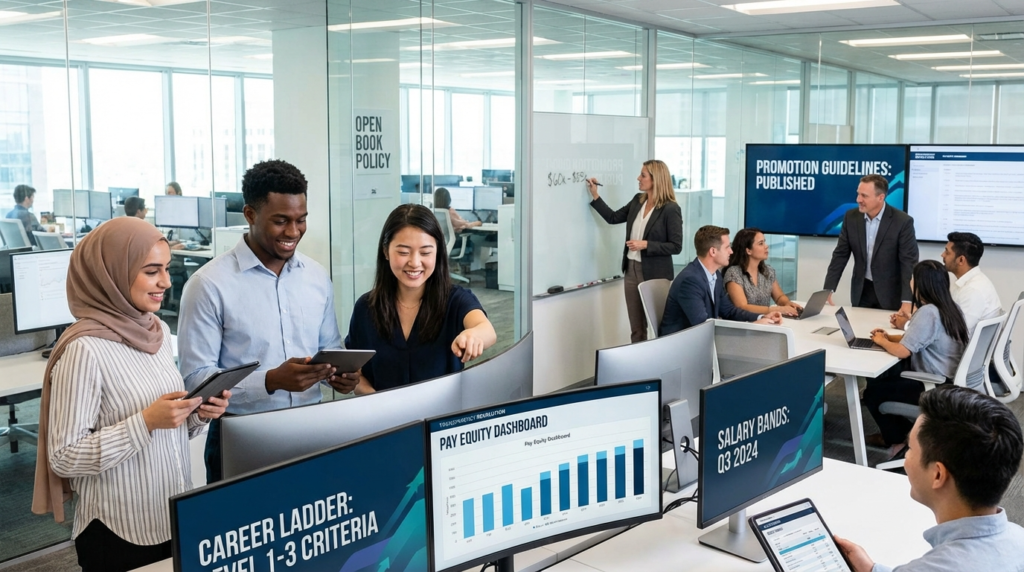
Gen Z demands pay transparency and clear promotion criteria. They want to know what “good” looks like at each level, how raises are determined, and what skills unlock the next step. Mystery-meat management—where decisions happen behind closed doors—breeds distrust and drives turnover.
Leadership responses include publishing career ladders and leveling guides. These documents define expectations for scope, autonomy, impact, and collaboration at each level. Moving from annual reviews to continuous feedback conversations means employees receive coaching in real time rather than waiting months for formal input. Posting salary bands internally—and sometimes externally—clarifies compensation philosophy and reduces pay inequity.
A strong leveling rubric includes four dimensions. Scope covers the size and complexity of work. Autonomy measures how much guidance someone needs. Impact assesses business outcomes tied to their contributions. Collaboration evaluates how they enable others. This structure reduces bias because manager training ensures consistent application across teams.
Transparency improves retention by showing clear paths forward. Employees who see promotion criteria and salary bands can plan their development. They know which skills to build and which projects to pursue. Leaders who embrace this approach report higher engagement and fewer surprises during compensation cycles. However, transparency only works if managers can communicate it consistently—training and support are essential.
Mental Health and Burnout Are Design Problems, Not Personal Failures
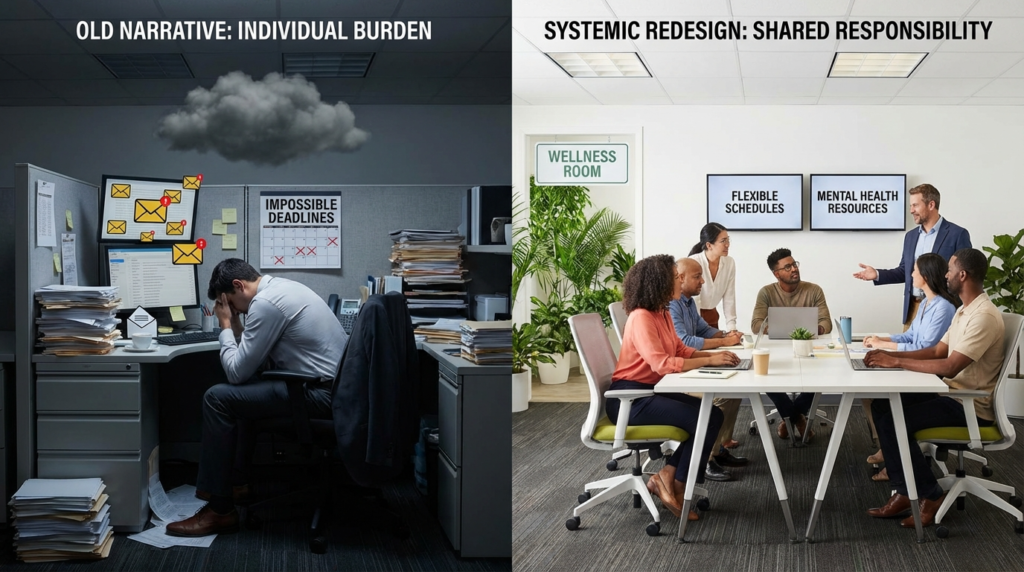
Deloitte’s annual “Gen Z and Millennial Survey,” available at their global site, consistently ranks stress, mental health, and cost of living among Gen Z’s top concerns. Leaders are responding by treating burnout as a workplace design issue rather than an individual weakness. This shift changes how companies build policies, train managers, and measure success.
Manager training now includes recognizing burnout signals like disengagement, missed deadlines, and reduced communication. Leaders learn to plan workloads that allow recovery time and conduct supportive 1:1s that address wellbeing alongside performance. Expanded benefits include therapy coverage, modernized Employee Assistance Programs (EAPs), mental health days, and wellbeing stipends that employees can spend on fitness, therapy, or stress relief.
Policy alone doesn’t solve the problem. Practice matters more. A mental health benefit only helps if managers normalize using it and workloads allow time to do so. Companies establish “quiet hours” with no expectation of responses. They set boundaries around weekend work. Healthcare benefits must evolve to meet generational expectations around mental health access.
Wellbeing platforms help operationalize these values. Headspace for Work and Calm Business provide meditation and sleep tools. Modern Health and Lyra Health connect employees with licensed therapists and coaches. Leaders who invest in these tools and adjust workload expectations see measurable improvements in employee wellbeing and productivity.
Career Growth Happens Through Mobility, Mentorship, and Structured Skills Development
Gen Z prioritizes skill-building, visible progression, and employability. They know job security comes from skills, not tenure. Leaders respond by making development more structured and measurable. Internal mobility programs let employees explore new roles without leaving the company. Mentorship programs—including reverse mentoring where Gen Z teaches leaders about culture and tech—accelerate growth.
A simple framework drives this approach: role clarity leads to a skill map, which informs a learning plan. Employees take on stretch projects that build those skills. Measurable outcomes prove progress. Internal mobility programs use internal job boards and project marketplaces. Employees can take short-term “tours of duty” in other departments to build cross-functional expertise.
Communication styles have shifted. Gen Z expects weekly or biweekly check-ins instead of quarterly reviews. They want clear rationale—”why are we doing this?” and “what does success look like?” They’re comfortable with written-first collaboration and digital tools. Debt burdens make career progression urgent, so vague answers or hierarchical gatekeeping won’t cut it.
Sample 1:1 agendas help structure these conversations. Start with wins to celebrate progress. Discuss blockers that need resolution. Review priorities for the next week. Talk about growth opportunities and skill gaps. Check in on wellbeing. Exchange feedback both ways—managers aren’t the only ones with input. This structure creates psychological safety and ensures nothing important falls through the cracks.
Values and Inclusion Must Show Up in Operations, Not Just Marketing Copy
Gen Z expects inclusion in daily operations, not performative corporate branding. Pronoun norms, inclusive language, accessible meetings, and fair opportunity aren’t nice-to-haves—they’re baseline expectations. This generation is skeptical of mission statements that don’t translate into operational changes in policy, process, and metrics.
Leaders update manager training to reduce bias in hiring and promotions. They run employee listening sessions and act on results. Measuring inclusion through engagement survey data—cut by team, tenure, and demographics where legal and ethical—reveals where gaps exist. Authentic values require transparent goals, reported progress, and accountability owners.
Metrics matter because culture changes need measurable outcomes. Leaders track retention, especially attrition in the first 12 months. They measure time to productivity for new hires. Internal mobility rate shows how many roles are filled from within. Engagement scores and employee Net Promoter Score (eNPS) capture sentiment. Manager effectiveness scores from 360 reviews reveal leadership quality. Learning hours and completion rates tied to skill maps show investment in growth. Meeting load and focus time indicate whether workload is sustainable.
Starter policies simplify this work. Create a hybrid working agreement template that defines norms. Write a pay band communication FAQ so managers can answer questions consistently. Establish a continuous feedback cadence that replaces annual reviews. Draft a mentorship program charter that sets expectations and matches participants.
A 30-day culture audit accelerates change. Week one: run listening sessions with employees across levels and teams. Week two: deliver manager enablement training on the top three issues surfaced. Week three: clarify or update one policy based on feedback. Week four: publish changes, explain the rationale, and share the metrics you’ll track. Echo boomers and Gen Z alike will appreciate the speed and transparency.
What Gen Z Employees Really Want at Work
What does Gen Z want at work? Clarity, flexibility, growth, and authenticity. They want to know what’s expected, how they’ll be evaluated, and what success looks like. They expect hybrid work options and respect for boundaries. Career pathing must be visible and achievable. Company values should match daily actions.
How do you manage Gen Z employees? Shift to continuous feedback over annual reviews. Communicate the “why” behind decisions. Use written-first collaboration tools. Normalize mental health support. Invest in upskilling and internal mobility. Train managers to coach, not just evaluate.
Does Gen Z prefer remote work? Data shows hybrid is most common, but preferences vary by role and life stage. What matters more is flexible scheduling and outcomes-based evaluation. Gen Z wants autonomy over when and where they work, as long as results are clear.
Leading Gen Z employees means rethinking legacy assumptions. These workers aren’t entitled—they’re practical. They’ve watched previous generations burn out, get laid off without warning, and struggle with unclear expectations. They’re asking for what should have been standard all along: transparency, support, and a path forward. Leaders who listen will build the future of work that attracts and retains the best talent across generations.
===
### But Isn’t This Just Because Gen Z Is Entitled?
Critics love to dismiss Gen Z’s demands as “millennial‑style entitlement,” but the data tells a different story. This generation has watched boomers and Gen X endure chronic burnout, surprise layoffs, and opaque compensation practices—yet they still expect the same “old‑school” grind. The reality is that **84 % of Gen Z workers cite transparent pay as a deal‑breaker** (BLS 2024), and **73 % say mental‑health resources are a must‑have** (CBO 2023). So it isn’t entitlement; it’s a rational response to decades of broken promises. Companies that ignore these facts are simply courting a talent exodus.
Frequently Asked Questions
===
### What does Gen Z want at work?
Gen Z wants clarity, flexibility, growth, and authenticity. They need explicit expectations, transparent evaluation metrics, and a hybrid work model that respects personal boundaries.
### How do you manage Gen Z employees effectively?
Shift from annual reviews to continuous feedback, explain the “why” behind decisions, and prioritize written‑first collaboration tools. Normalize mental‑health support, invest heavily in upskilling, and train managers to coach rather than merely evaluate.
### Does Gen Z prefer remote work?
Data shows a strong preference for hybrid arrangements, but the underlying driver is **flexible scheduling**—the ability to choose when and where they work as long as outcomes are clear.
### How can companies adapt to Gen Z’s work‑culture expectations?
Re‑engineer legacy assumptions: publish pay bands, create clear career ladders, and embed inclusion into operations. For a deeper dive on why policy matters, see our piece on Why Policies that HELP American Workers Matter More Than Ever.
Sources & Methodology
===
All statistics and trends cited draw from reputable sources such as the Federal Reserve, U.S. Census Bureau, Bureau of Labor Statistics, Congressional Budget Office, and Congressional Research Service. For generational workforce definitions, see the Pew Research Center report.