ByAiden
Rent Burden Crisis: Why Is Rent So High and How Boomers and NIMBY Zoning Created a Generation of Permanent Renters
Share your love
Rent is so high in America because of a decades-long failure to build enough housing, supercharged by NIMBY zoning laws that block new construction, a generational transfer of wealth into real estate speculation, and corporate landlords optimizing for profit over people. The result: over 22.2 million American renter households now spend more than 30% of their income on rent burden — the definition of being cost-burdened — and 26% are spending over half their income just to keep a roof overhead. Millennials and Gen Z aren’t renting by choice; they’re renting because a generation of political and policy decisions made homeownership a luxury and renting a life sentence.
Key Takeaways:
- Over 22.2 million American renter households are cost-burdened, spending 30%+ of income on rent — a record high.
- 26% of renters are severely cost-burdened, spending more than half their income on housing alone.
- In 85 of the 100 largest US metro areas, rent has grown faster than renter incomes since 2019.
- America has a nearly 4-million-unit housing shortage — created largely by decades of NIMBY zoning that blocks new construction.
- 74.9% of US households cannot afford a median-priced new home in 2025.
- The generational wealth gap turns this into a two-tier economy: older homeowners build equity while younger renters subsidize it.
Why Is Rent So High in America Right Now?
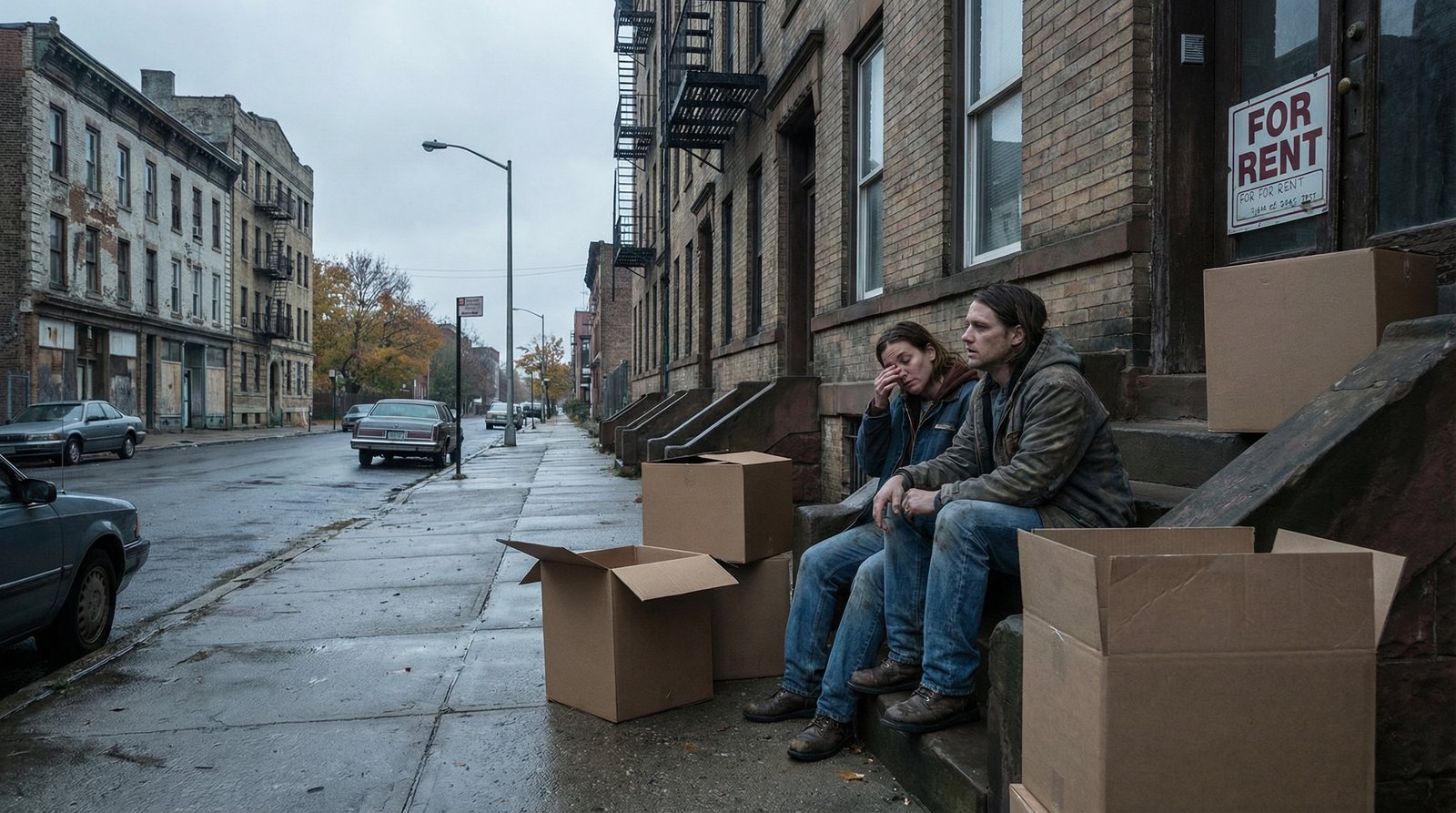
Rent is high because America systematically stopped building housing decades ago — and then acted surprised when there wasn’t enough of it. The math is simple: demand has grown steadily as the population expanded and millennials aged into their prime renting and buying years, while supply was throttled by restrictive zoning, red tape, and the quiet lobbying power of existing homeowners who had every financial reason to keep new units off the market.
The National Association of Home Builders confirmed in 2025 that 74.9% of US households cannot afford a median-priced new home. That’s not a statistic about a housing crisis — that’s a statistic about a system working exactly as designed for the people who already own property. The “home voter hypothesis” — the idea that existing homeowners use zoning restrictions to maximize property values — is not a conspiracy theory. It’s a documented political dynamic studied by economists at Harvard, Stanford, and the Federal Reserve.
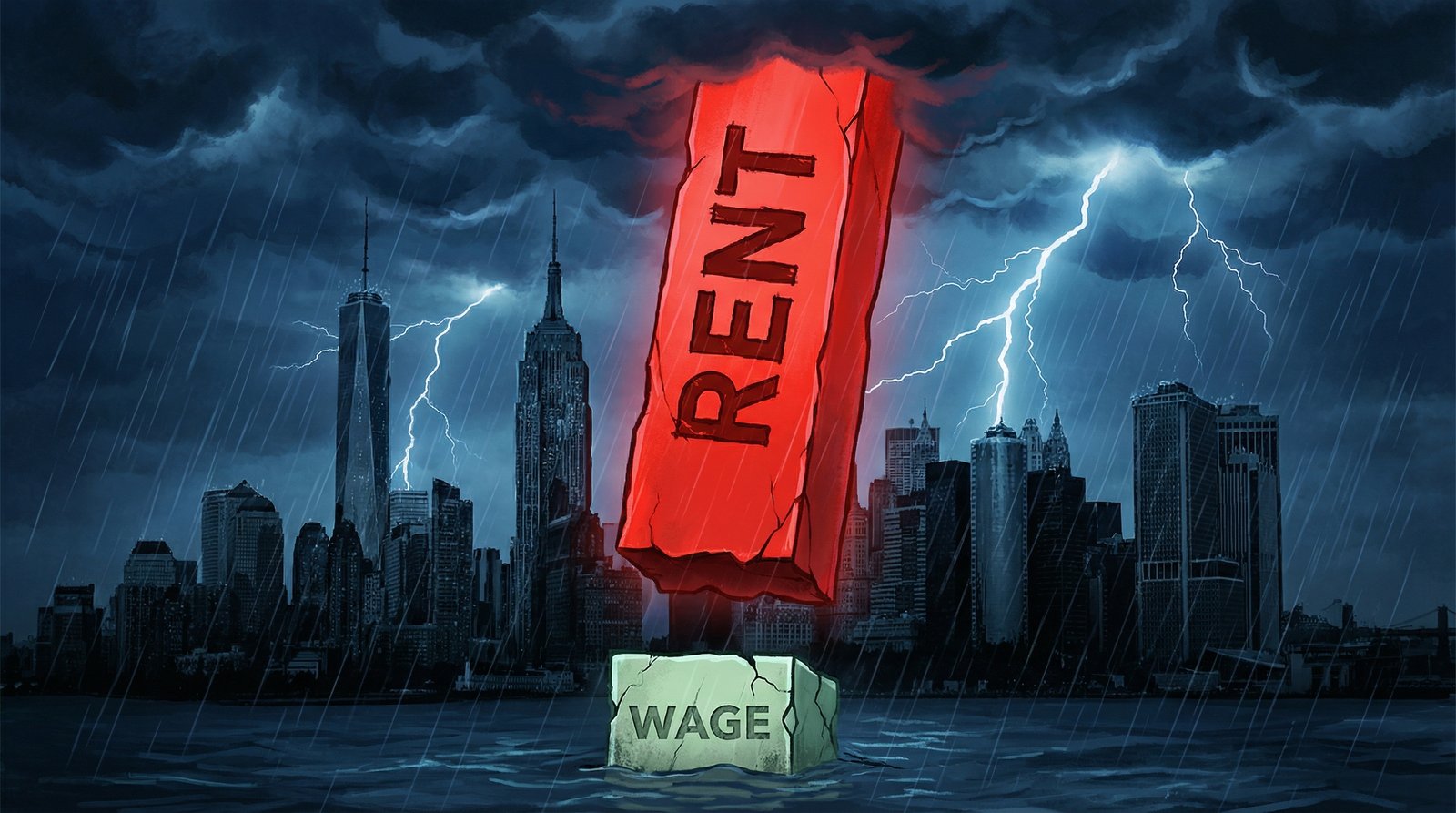
When you combine four decades of supply suppression with post-pandemic demand spikes, remote work reshuffling where people live, and institutional money pouring into single-family rentals, you get a rent crisis that isn’t going away on its own. In 85 of the 100 largest US metro areas, median rents have grown faster than renter incomes since 2019. In Tampa, rents jumped 53% while wages rose only 34%. That 19-point gap isn’t a blip — it’s a policy outcome.
How Much of Their Income Are Renters Actually Paying?
The official threshold for “cost-burdened” is spending 30% or more of gross income on housing — a standard set in 1969, when housing was cheap and wages were rising. By that benchmark alone, 51.8% of US renters are cost-burdened, totaling over 22.2 million households. That’s more than half the renting population failing a standard set when America was building housing faster than it has ever been built before or since.
For renters aged 35–44 — the core millennial cohort — the picture is particularly grim: 48% are cost-burdened, more than double the rate for homeowners the same age (22%). That gap isn’t about lifestyle choices. It’s about a wealth divide. Renters aged 35–44 earn a mean household income of $88,541. Homeowners the same age earn nearly double: $164,267. When your income is roughly half of what your homeowning peer earns, spending 30% on rent doesn’t leave much for a down payment — which is precisely why younger generations can’t build retirement savings while also trying to escape the rental market.
State-by-state, the numbers are even uglier. Florida leads the nation with 62.1% of renters cost-burdened; Miami clocks in at 65.8% — nearly two-thirds of the city’s renters spending over 30% of their paycheck on rent. Nevada sits at 55%, Connecticut at 53%, and California’s severely cost-burdened rate (50%+ of income on housing) is 26% of all renters. The “26% rule” used to be the ceiling — it’s now the floor in America’s largest states.
How Did NIMBY Zoning Turn a Housing Shortage Into a Permanent Renter Trap?
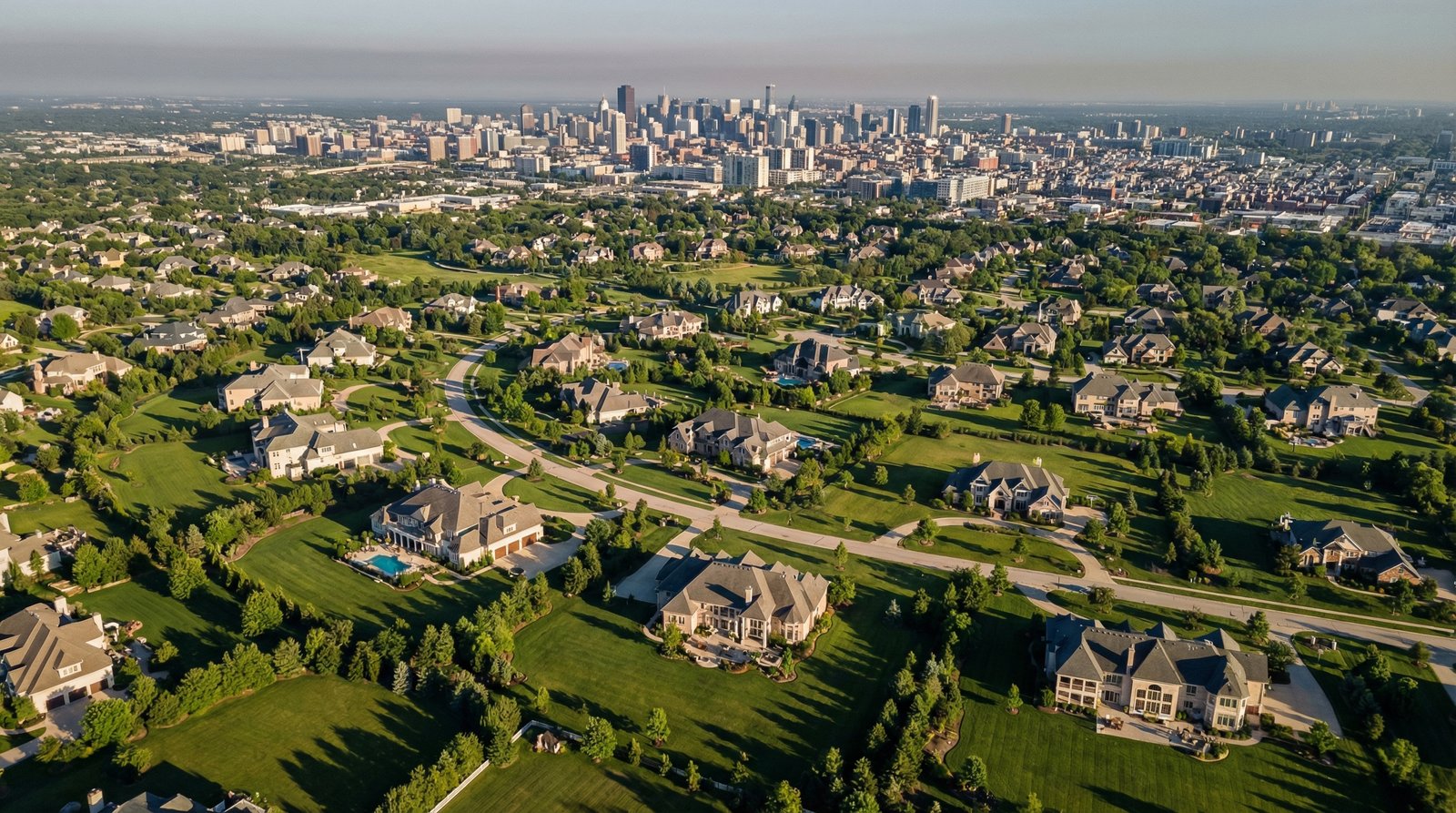
NIMBY — “Not In My Backyard” — is the political force that explains more about high rent than any other single factor. In large parts of most American cities, restrictive zoning rules allow only single-family homes on large lots. Apartment buildings, duplexes, townhouses, mixed-use developments — anything that could house more people per acre — are effectively illegal across vast swaths of suburban America. The people making these zoning decisions are, overwhelmingly, existing homeowners with a direct financial interest in keeping supply low.
The consequences are staggering. America is short nearly 4 million housing units — a deficit that took decades to build and will take decades more to fix, assuming the political will to fix it ever materializes. In May 2025, housing starts hit five-year lows: single-family permits fell 6.4% year-over-year, and high-density multifamily starts collapsed by 30.4%. Less building means higher prices. Every permit that gets blocked by a neighborhood zoning appeal, every height limit that prevents a six-story building from replacing a surface parking lot, every environmental review stretched to seven years — each one is a vote to keep rents high.
And crucially, it’s not a partisan problem. According to a 2025 Forbes analysis, both red and blue metropolitan areas are blocking affordable housing as insiders use overregulation to prevent new construction. Progressive cities have some of the strictest zoning in the country. Conservative suburbs block density in the name of “neighborhood character.” The common denominator is always the same: people who already own real estate protecting the value of what they own by preventing more of it from being built.

How Did Boomers’ Housing Wins Create Gen Z’s Housing Nightmare?
Baby Boomers bought homes when the median house cost 2–3 times the median annual income. They got 30-year fixed mortgages at rates that, after inflation, were often effectively zero. They got pension plans that didn’t require them to gamble retirement savings on the market. They got colleges that cost a fraction of what they cost today. And then, collectively, they used the political power that comes with property ownership and high voter turnout to ensure that none of that remained affordable for the generations behind them.
The mechanism isn’t malice — it’s incentives. When your primary source of wealth is real estate equity, you vote against anything that increases housing supply. You attend city council meetings to block apartment complexes. You support Proposition 13-style property tax freezes that lock in generational advantages for longtime owners. In California, Boomers who bought homes in 1985 pay a fraction of the property taxes their young-couple neighbors pay on the same-sized house bought in 2022 — a policy designed explicitly to reward longevity of ownership over newcomers.
The result is a wealth transfer mechanism operating in plain sight: renters — disproportionately millennials and Gen Z — subsidize the wealth of landlords — disproportionately older and wealthier. That rent check doesn’t disappear. It becomes equity in a house that will eventually be inherited tax-advantaged, continuing the cycle. Millennials already facing healthcare cost crises and Social Security insolvency timelines are also writing checks every month that fund someone else’s retirement.

Are Corporate Landlords Making the Rent Crisis Worse?
Yes — but the mechanism is more subtle than viral social media posts suggest. Institutional investors own a smaller direct share of the total rental market than is often claimed. The real story is that corporate landlords are highly skilled at optimizing rent pricing — and their pricing signals cascade through the entire market.
When large institutional players buy up single-family homes in mid-tier metros — Atlanta, Phoenix, Charlotte, Jacksonville — they don’t just raise their own rents. They set price signals that smaller landlords follow. An algorithm-driven rent increase at a 10,000-unit portfolio company sends data into the market that independent landlords use to benchmark their own prices upward. The 2026 Landlord Exodus & Housing Stress Index found that 78% of landlords plan to increase rent in 2025–2026 regardless of whether their local market conditions justify it — because the aggregated data from large players tells them the market will absorb it.
The deeper structural problem is that corporate consolidation in housing eliminates the tolerance for vacancy that used to moderate rent increases. A mom-and-pop landlord might hold rent steady for a reliable long-term tenant rather than risk vacancy. A REIT with fiduciary obligations to shareholders does not have that flexibility — it must maximize rent per unit or face investor pressure. When that logic scales across millions of units, the floor for “market rate” gets systematically lifted. In a market already short 4 million units, there’s always another renter ready to pay whatever the new rate is.

Wait — Isn’t the Free Market Supposed to Fix This?
In theory, yes. In a genuinely free housing market, high rents would signal developers to build more units, supply would increase, and prices would stabilize or fall. Supply-side housing advocates — including many economists and the YIMBY (“Yes In My Backyard”) movement — make this argument, and they’re not wrong about the underlying mechanism. The problem is that the “free market” in American housing is profoundly and deliberately unfree.
Zoning laws, environmental review requirements, lengthy permitting processes, height restrictions, minimum parking requirements, setback rules, and neighborhood opposition via public comment periods all act as regulatory barriers that drive up the cost and timeline of new construction to the point where only luxury units pencil out financially for developers. When building a modest apartment building takes 3–7 years of approvals and costs $400,000+ per unit to construct, developers don’t build affordable housing — they build expensive housing, or they don’t build at all.
Some states are beginning to push back meaningfully. Utah, Montana, and California passed legislation in 2024–2025 forcing cities to loosen zoning restrictions near transit corridors and commercial areas. These are real steps — but they’re fighting 50 years of accumulated NIMBYism one city council vote at a time. Meanwhile, multifamily housing starts hit 30% year-over-year declines in mid-2025 as higher interest rates made even willing developers unable to make projects work financially. The free market argument is theoretically sound. The free market itself simply hasn’t existed in American housing for a very long time.
Frequently Asked Questions
What percentage of income should go to rent?
The widely cited benchmark is the “30% rule” — no more than 30% of gross income should go to housing costs. This threshold was established by the federal government in 1969 and is still used to define “cost-burdened” renters. However, the rule is outdated: it was designed for an era of lower housing costs, higher wage growth, and more limited other mandatory expenses like healthcare and student loans. Many financial advisors now suggest targeting 25–28% in high-cost cities to preserve room for debt repayment and savings. Over 51.8% of US renters currently exceed the 30% threshold.
Why is rent so much higher now than 10 years ago?
Rent is dramatically higher now because housing supply has consistently failed to keep pace with demand over the past decade. Key drivers include: pandemic-era relocation that spiked demand in previously affordable metros; rising construction costs due to material and labor inflation; a 4-million-unit housing shortage built up over decades of under-building; post-pandemic inflation that pushed rents up sharply in 2021–2023; and institutional investors entering the single-family rental market at scale. In most major metros, rent increases have outpaced wage growth every year since 2019.
What is NIMBY zoning and how does it cause high rent?
NIMBY stands for “Not In My Backyard” and describes the opposition of existing residents — usually homeowners — to new housing development near them. NIMBY zoning policies, including single-family-only zones, height restrictions, minimum lot sizes, and strict parking requirements, prevent developers from building denser and more affordable housing. Because these policies are controlled by local governments whose constituents are predominantly existing homeowners with a financial interest in keeping supply low, they have proven highly resistant to reform. The result is that in large parts of most American cities, building an apartment building is effectively illegal — and the housing shortage that drives up rent is locked in by law.
Will rent prices go down in 2025 or 2026?
Rent prices showed modest cooling in some markets in 2023–2024 as pandemic-era demand spikes normalized, but the underlying 4-million-unit shortage means meaningful long-term rent decreases are unlikely without major policy changes. Some Sun Belt metros that saw 40–50% rent spikes are experiencing partial corrections, but cost-burden rates still hit new records in 2025. With 78% of landlords planning increases in 2025–2026 and multifamily housing starts at five-year lows, there is no structural downward pressure on rent in most US markets.
Sources & Methodology
Data in this article is drawn from the following sources. Where multiple sources cite the same statistic, the most recent or most conservative figure is used.
- CRE Daily — “Cost Burden Renter Crisis Hits Record Highs” (2025). Source
- Investopedia / US Census Bureau — “Where Are Renters 35–44 Feeling the Most Financial Strain?” (2025). Source
- National Association of Home Builders (NAHB) — “Households Priced Out of the Housing Market” Special Study (March 2025). Source
- City Journal — “Who Can Solve Our Housing Crisis?” (2025). Source
- NPR — “More states are pushing cities to build affordable housing” (July 2025). Source
- Forbes — “Both Red And Blue Regions Are Blocking Affordable Housing” (August 2025). Source
- National League of Cities — Housing Supply Shortage of Nearly 4 Million Units. Source
- Morningstar / PRNewswire — “2026 Landlord Exodus & Housing Stress Index” (January 2026). Source