 ByAiden
Iran War Human Cost 2026: 200 Children Killed, 1,200 Dead — and Millennials Get the Bill
Share your love
The Iran war human cost has reached a catastrophic milestone: more than 1,200 people killed, 200 of them children under 12, 10,000+ civilians injured, and nine hospitals knocked out of service in nine days of US-Israeli airstrikes. The human toll is only half the story. The other half lands directly in the wallets of the millennials and Gen Z who will spend the next 40 years paying for a war they didn’t vote for.
Key Takeaways
• Iran’s health ministry reports 1,200+ dead, 200 children under 12 killed, ~200 women dead, and 10,000+ civilians injured in 9 days of US-Israeli airstrikes.
• Nine hospitals are out of service; the Iranian Red Crescent says ~10,000 civilian structures have been damaged.
• A US strike on Qeshm Island destroyed an Iranian desalination plant, cutting water to 30 villages. Iran retaliated by hitting a Bahrain desalination plant.
• The US spent $3.7 billion in the first 100 hours — roughly $1 billion per day. The Senate has now formally authorized the war.
• Based on Iraq/Afghanistan precedent, long-term costs including veteran care and interest will likely exceed $2 trillion, falling almost entirely on younger taxpayers.
• Iran has chosen a new supreme leader to replace Khamenei — and Israel has already declared it will target them too.
How Many Civilians Have Been Killed in the Iran War?
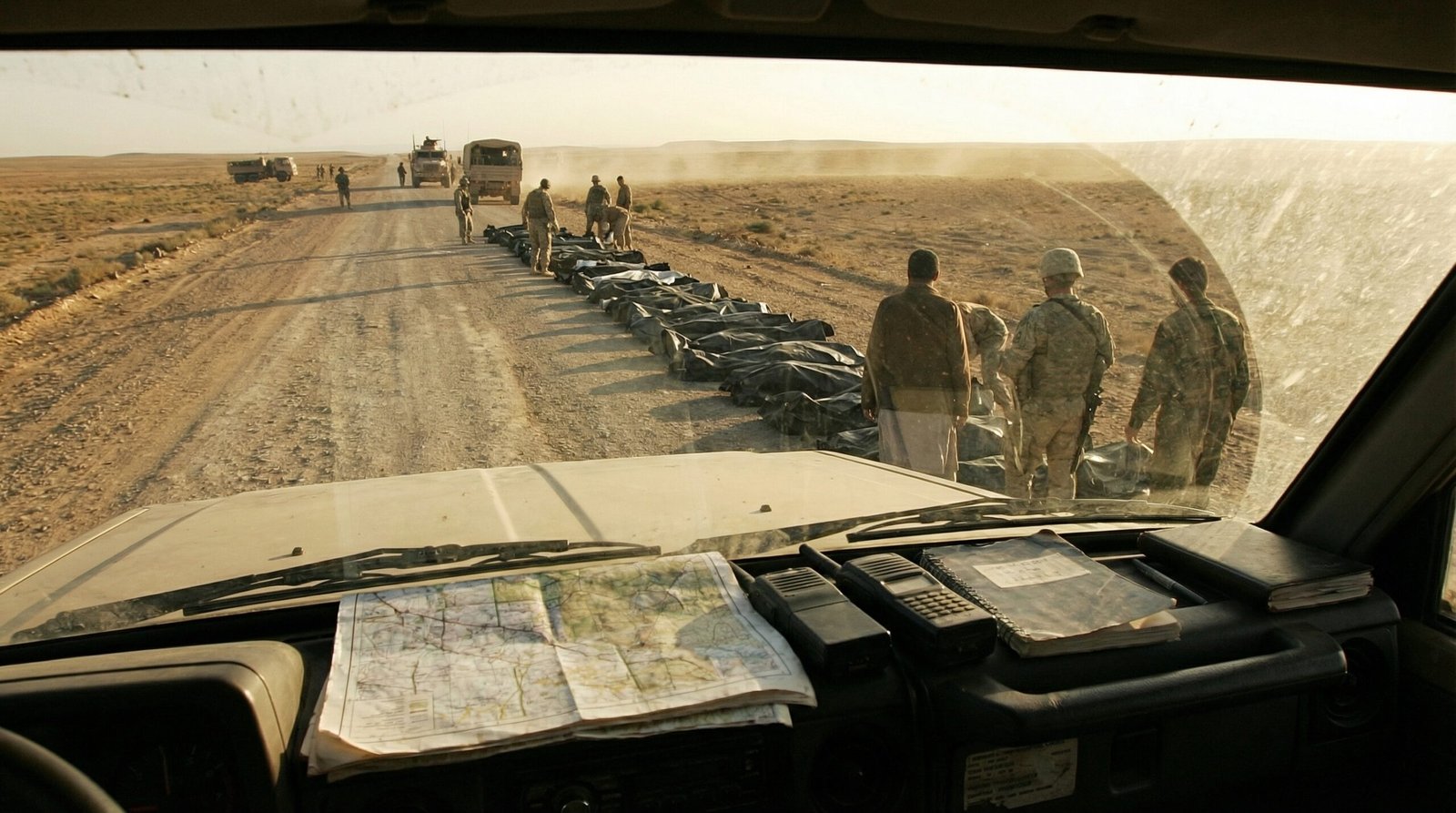
As of March 8, 2026 — day 9 of the US-Israeli war against Iran — the Iran war civilian death toll stands at over 1,200 people killed according to Iran’s health ministry, with Iran’s UN envoy placing the confirmed civilian count at 1,332. The breakdown is damning: 200 children under 12, approximately 200 women, and more than 10,000 injured including 1,400 women.
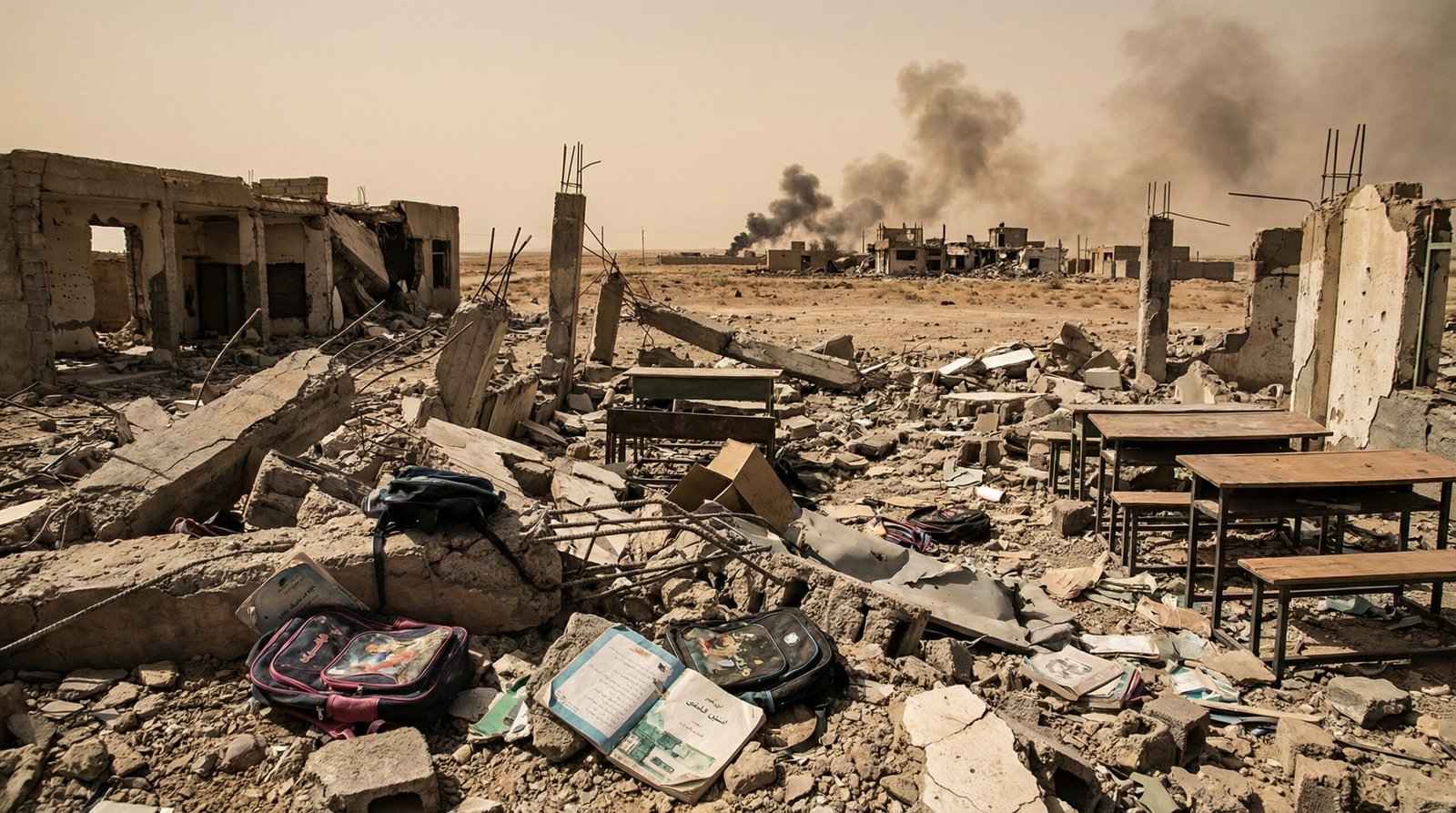
The single deadliest incident: a strike on Shajareh Tayyebeh elementary school in Minab, southern Iran, on the opening day of the war (February 28). Iranian authorities reported 168 deaths, the majority children. Human Rights Watch has called for a war crimes investigation. The US military has neither confirmed nor denied involvement.
In Lebanon, where Israel simultaneously renewed its assault on Hezbollah, the death toll reached 394 over the same week — with 83 children among the dead, according to Lebanon’s health minister. Israel has ordered tens of thousands to evacuate large sections of the country.
For context: the Iraq War killed an estimated 432,000+ civilians over 20 years. This war is 9 days old.
What Is Being Destroyed: Hospitals, Schools, Water
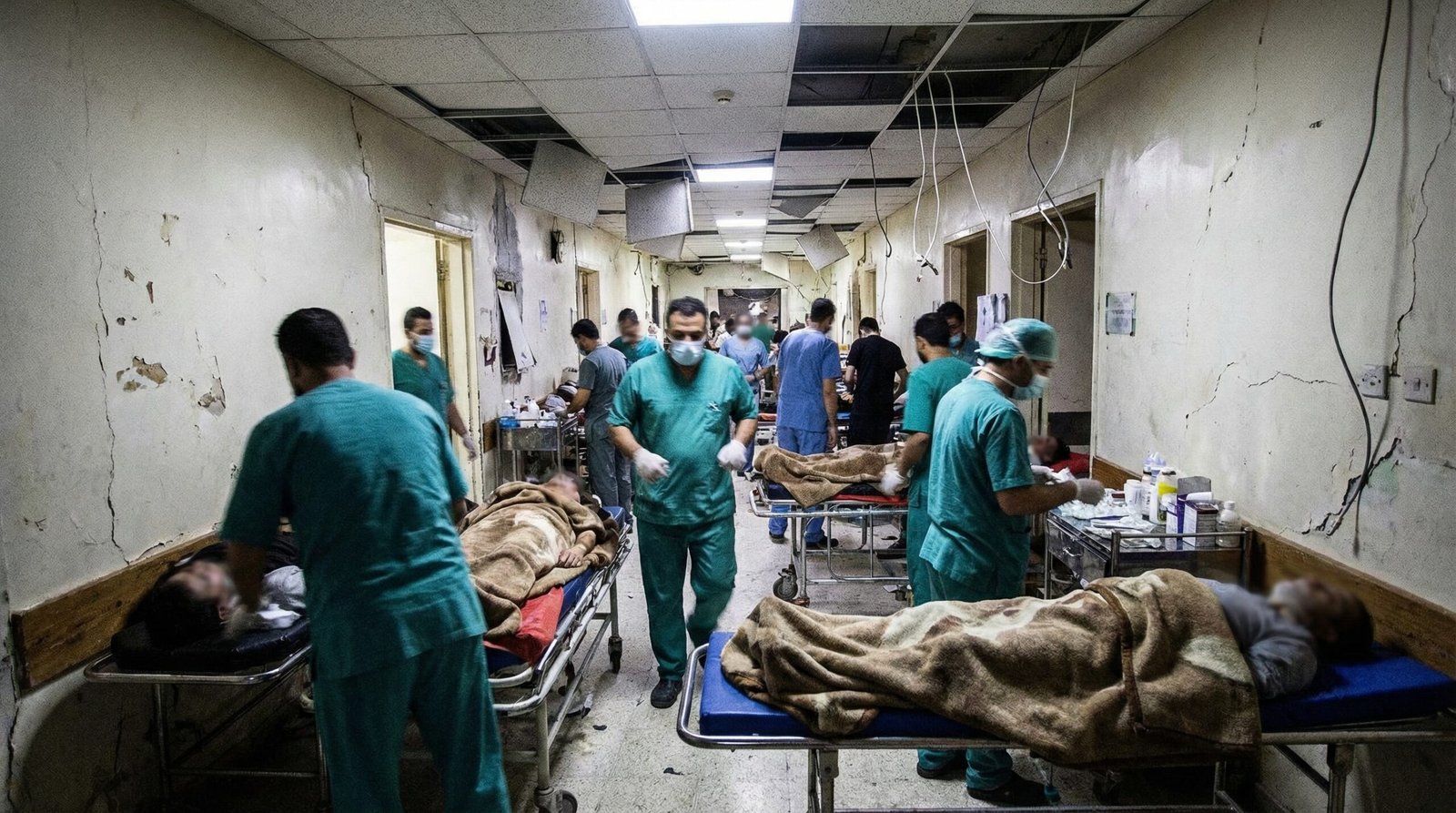
The Iran war infrastructure destruction is moving beyond military targets into civilian life-support systems. The Iranian Red Crescent reports approximately 10,000 civilian structures damaged across the country — homes, schools, medical facilities. Nine hospitals are currently out of service. Fourteen ambulances have been destroyed.
The most alarming escalation on day 9: both sides are now striking water. The US hit a desalination plant on Qeshm Island in the Strait of Hormuz, cutting fresh water supply to 30 villages. Iran’s Foreign Minister Araghchi warned: “The US set this precedent, not Iran.” Hours later, Iran struck a Bahrain desalination plant. Bahrain says water supplies remain online — for now. The Gulf region’s entire freshwater supply depends on desalination infrastructure.
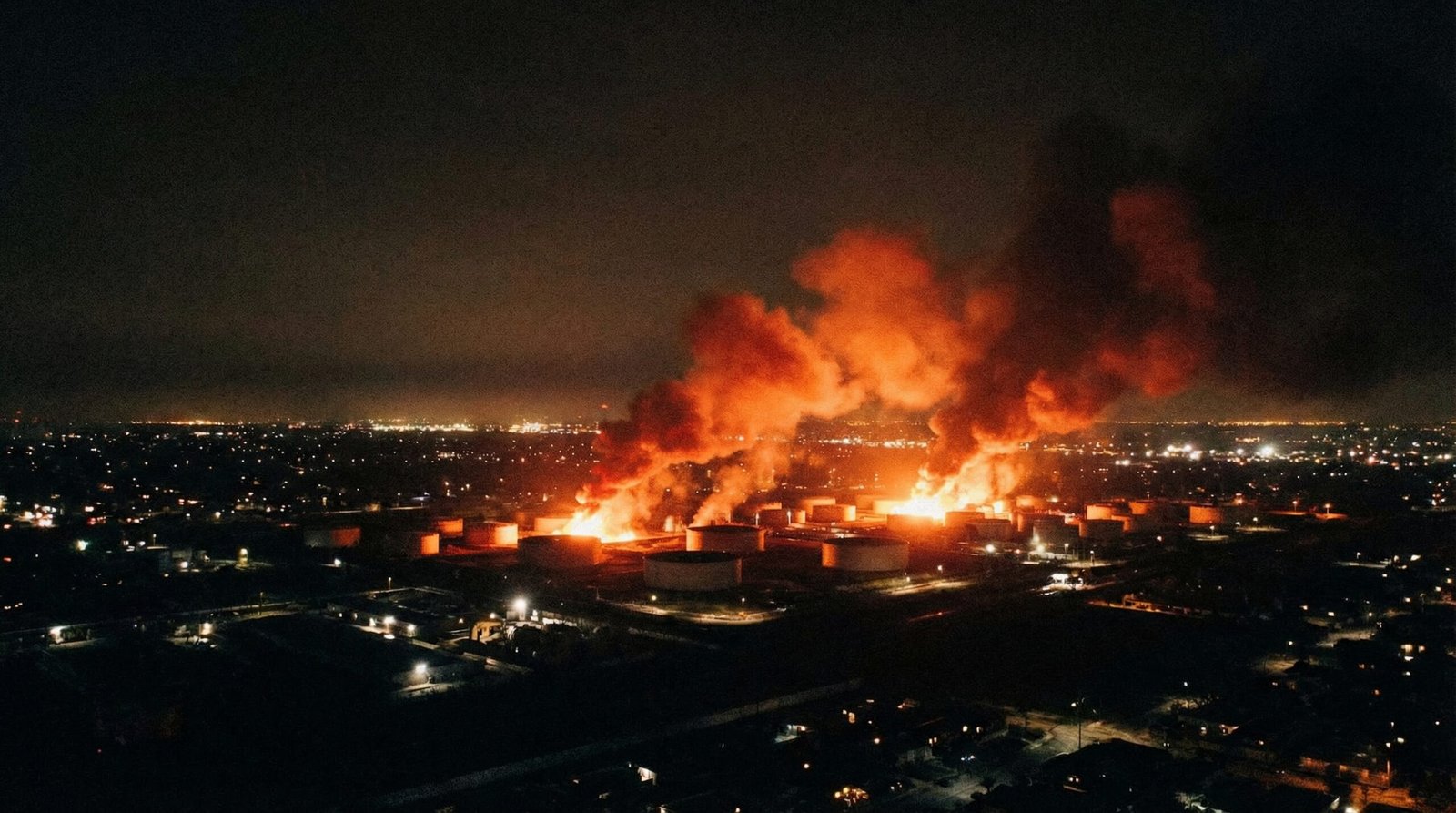
Tehran residents are being warned about toxic air pollution and the risk of acid rain after Israeli strikes ignited oil depot fires so large that witnesses said “it felt as if the sun had not risen” Sunday morning.
This is what the Hormuz war scenario looks like in practice — except it’s worse, because the war has now spread inland, into hospitals and schools, and outward into the Gulf states that supply a quarter of the world’s oil.

Who Pays the Tab: The Generational War Debt Math
The Iran war cost to younger Americans is already running at approximately $1 billion per day, according to think tank estimates — $3.7 billion in the first 100 hours alone. The US Senate has now formally backed Trump’s war powers, which means Congress has locked in the legal framework and the eventual debt obligation.
Here’s what that means in practice, based on what happened after Iraq and Afghanistan:
- Direct spending: Iraq cost $1 trillion in direct battlefield expenditures over 9 years. Afghanistan cost $2.3 trillion over 20 years.
- Interest on war debt: Iraq alone generated over $705 billion in interest charges — a bill that compounds for decades.
- Veteran healthcare: The biggest long-term cost. Brown University’s Costs of War project projects veteran care costs will continue escalating through 2050. The VA has already lost 28,000 employees under DOGE cuts — meaning the institution that will need to treat Iran war veterans is being gutted in real time.
- Per-person burden: Iraq and Afghanistan cost roughly $7,973–$11,627 per American over their duration. At $1B/day for an indefinite war against a country of 87 million people, the Iran war’s long-term tab could dwarf those numbers.
Who bears the burden? The same people who always do. The six US troops already killed were overwhelmingly young, working-class, and from zip codes that don’t have lobbyists. The debt gets financed by Treasury bonds that will be serviced for 30+ years — primarily by the workers currently paying into a Social Security system already projected to run out of money.
Who Decided This Was Worth It?
Donald Trump and Benjamin Netanyahu. Two men in their late 70s, surrounded by advisors of similar vintage, launched a war on February 28 that killed the Iranian supreme leader within days, triggered a regional conflagration now stretching from Tehran to Beirut to Kuwait City to Oslo (where the US Embassy’s consular section was bombed early Sunday in an attack under investigation), and is now threatening Gulf desalination infrastructure that 50 million people depend on.
Trump told reporters aboard Air Force One: “We’re not looking to settle. They’d like to settle.” Netanyahu declared a “moment of truth” approaching. Iran has now chosen a new supreme leader — and Israel has already said it will pursue that person too.
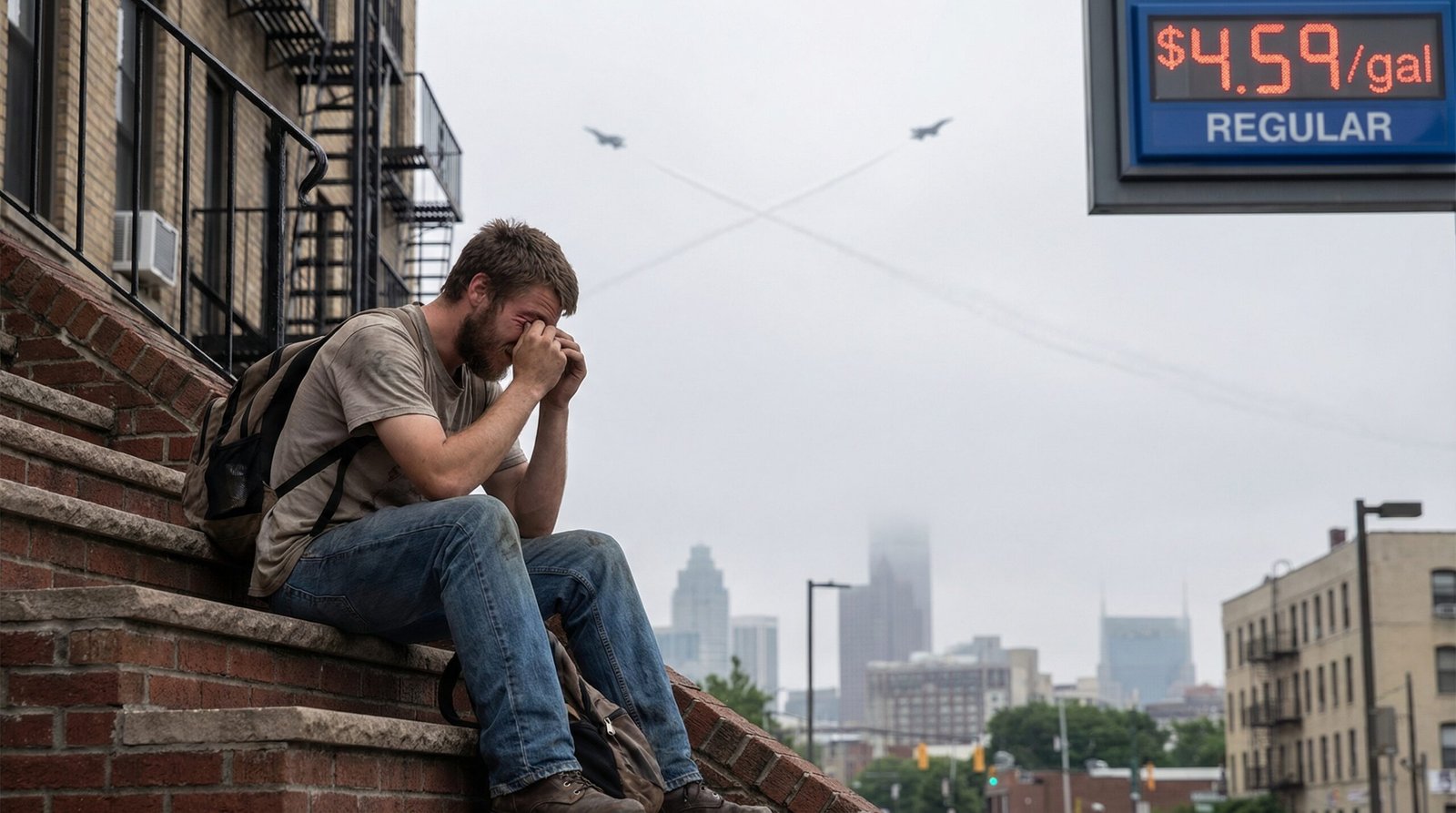
Neither Trump nor Netanyahu will be around to pay off the war debt. Neither will be paying for the veteran healthcare bills that peak in 2040–2050. The generational math is brutal: the decisions are made by 70-somethings, the invoices land with 30-somethings.
The US Senate’s vote to authorize the war — the 43rd time in American history that Congress has enabled a president’s military action without a formal declaration of war — means younger generations will own this debt whether they voted for it or not. At $1 billion a day, every 24 hours that passes adds another installment to a generational invoice that no one asked millennials or Gen Z to co-sign.
The Counter-Argument: Iran Was a Threat
The strongest defense of the war goes like this: Iran was a nuclear-threshold state financing Hezbollah, Hamas, and Houthi proxy forces across the region. Leaving the threat in place was not a neutral choice — it was a choice with its own costs, potentially including a nuclear-armed Iran within years. The strikes destroyed Iran’s most advanced missile sites and killed Khamenei, eliminating decades of accumulated hard-line leadership in days.
That argument deserves engagement. Iran was a legitimate regional threat. Destroying its military infrastructure has real strategic value. The question isn’t whether Iran was bad. The question is: who decided the cost-benefit ratio was acceptable, who is bearing the costs, and who gets the benefits?
Defense contractors have seen stocks surge 30–40%. Oil majors are collecting windfall revenue as pump prices spike. The wealthy hold inflation-hedged assets. The working class pays higher gas prices, absorbs war-driven inflation on top of existing stagflation pressures, and will eventually receive the multi-trillion dollar invoice. The benefits of regime change accrue broadly; the costs are shouldered narrowly.
Frequently Asked Questions
How many civilians have been killed in the Iran war 2026?
Iran’s health ministry reports over 1,200 dead as of day 9 (March 8, 2026), including 200 children under 12 and approximately 200 women. Iran’s UN envoy claims 1,332 confirmed civilians killed. More than 10,000 civilians have been injured.
How much is the Iran war costing American taxpayers?
Think tanks estimate approximately $1 billion per day in direct US military spending, with $3.7 billion spent in the first 100 hours. Long-term costs including veteran healthcare and interest on war debt could exceed $2 trillion over several decades, based on Iraq and Afghanistan precedent.
Has the US Senate authorized the Iran war?
Yes. The US Senate has voted to back Trump’s war powers in the Iran campaign, providing formal Congressional authorization and legally binding the United States to the conflict’s long-term financial obligations.
Who is Iran’s new supreme leader?
Iran’s Assembly of Experts selected a new supreme leader on March 8, 2026 to replace Ayatollah Ali Khamenei, who was killed in the opening US-Israeli strikes on February 28. The identity had not been fully confirmed publicly at time of publication. Israel has declared it will target Khamenei’s successor as well.
Sources & Methodology
Casualty figures sourced from Iran’s health ministry spokesperson Hossein Kermanpour (via Associated Press, March 8, 2026), Iran’s UN envoy statement (Arab News, March 8, 2026), and the Iranian Red Crescent Society. Lebanon death toll from Associated Press/AP report citing Lebanon’s health minister (March 8, 2026). School strike details from Human Rights Watch investigation (March 7, 2026) and NBC News. War cost estimates from think tank reporting aggregated via Facebook/AP (first 100 hours = $3.7 billion; daily rate ~$1 billion). Long-term war cost comparisons from Brown University Costs of War Project, Congressional Budget Office estimates, Harvard Kennedy School (Linda Bilmes), and Council on Foreign Relations. Iraq War civilian death toll from Lancet study and Iraq Body Count. All financial comparisons use nominal dollars unless otherwise noted. Iran infrastructure damage figures from Iranian Red Crescent Society (March 8, 2026). Desalination plant strikes from AP (March 8, 2026) and Iran FM statement. US Senate war powers authorization from ITV News (March 8, 2026).