Trump’s economy is losing jobs, burning gas money, and driving down workers’ share of income — and the Iran war his administration launched on Feb. 28 is making all of it worse. The February 2026 jobs report showed a loss of 92,000 jobs, gas prices have surged 19% in one month to a national average of $3.45, and labor’s share of income just hit its lowest level on record. For Millennials and Gen Z who were promised a golden age, the Trump economy 2026 numbers tell a very different story.
Key Takeaways: February 2026 lost 92,000 jobs. US-born unemployment rose to 4.7% — the population Trump promised to protect. Gas is up 19% in one month to $3.45, directly tied to the Iran war. Labor’s share of income hit a record low. Biden’s economy grew faster (2.8%) than Trump’s in 2025 (2.2%). Goldman Sachs warns inflation could hit 3% by year-end.
What the February Jobs Report Actually Shows
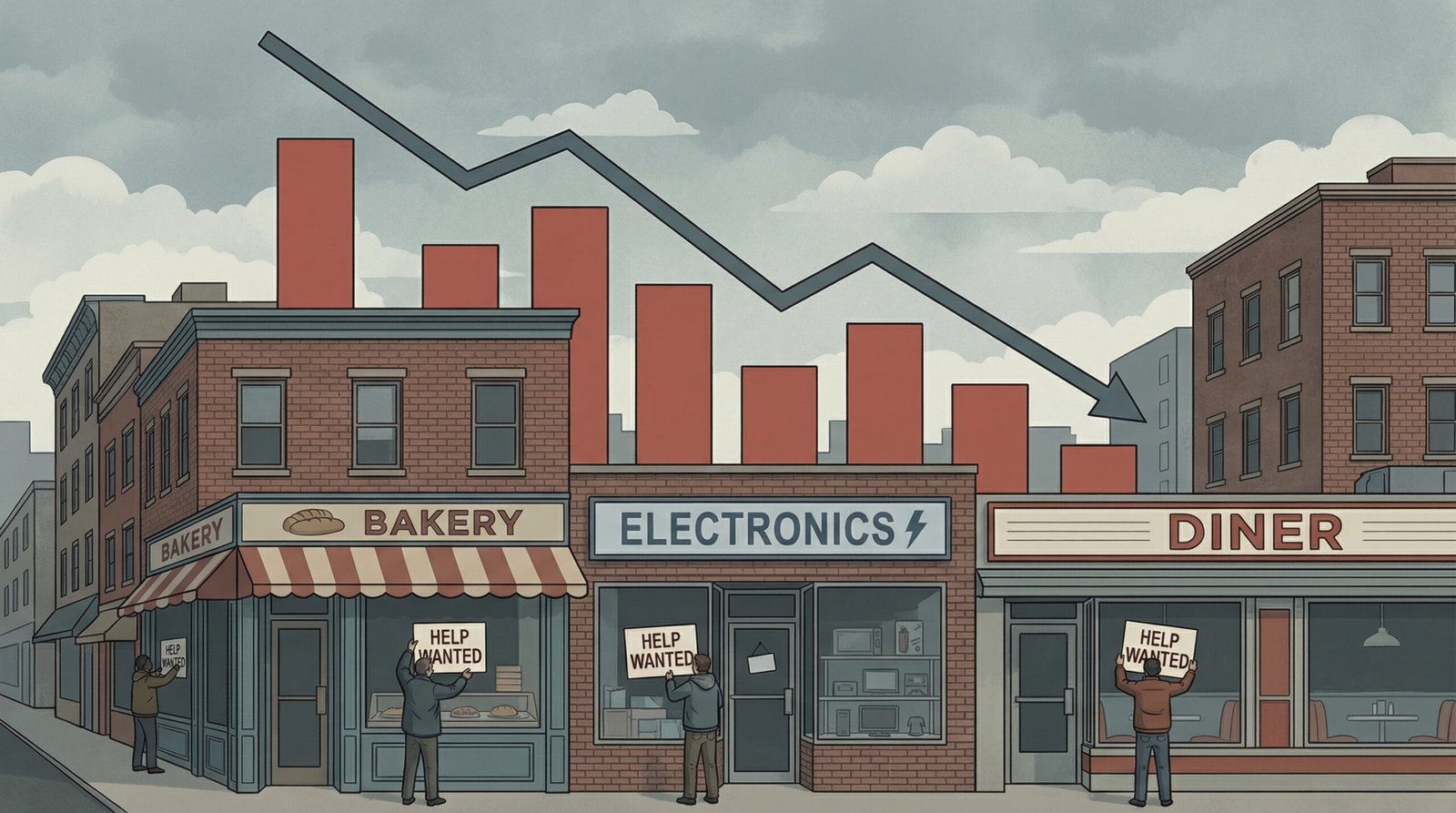
After February’s employment report dropped on Friday, the political math got awkward for the White House. The economy shed 92,000 jobs in February. January was revised downward. December swung to a loss of 17,000 jobs. This is not a blip — it’s a trend. Without the healthcare sector propping up the numbers, the economy would have shed approximately 202,000 jobs since Trump took office in January 2025.
Here’s the part that buries the signature talking point: Trump has relentlessly claimed his immigration crackdown was going to return jobs to Americans born in the United States. The unemployment rate for US-born workers has climbed from 4.4% to 4.7% over the last 12 months. The people Trump said would get the jobs are, in fact, searching for work. The crackdown didn’t deliver the jobs — it just made the labor market tighter for everyone.
Construction gains outside housing are the administration’s best counter-argument. But construction jobs don’t help the Millennial and Gen Z workers concentrated in services, tech, and gig roles who are watching their job market soften in real time.
The Iran War Is a Gas Price Tax on Working People

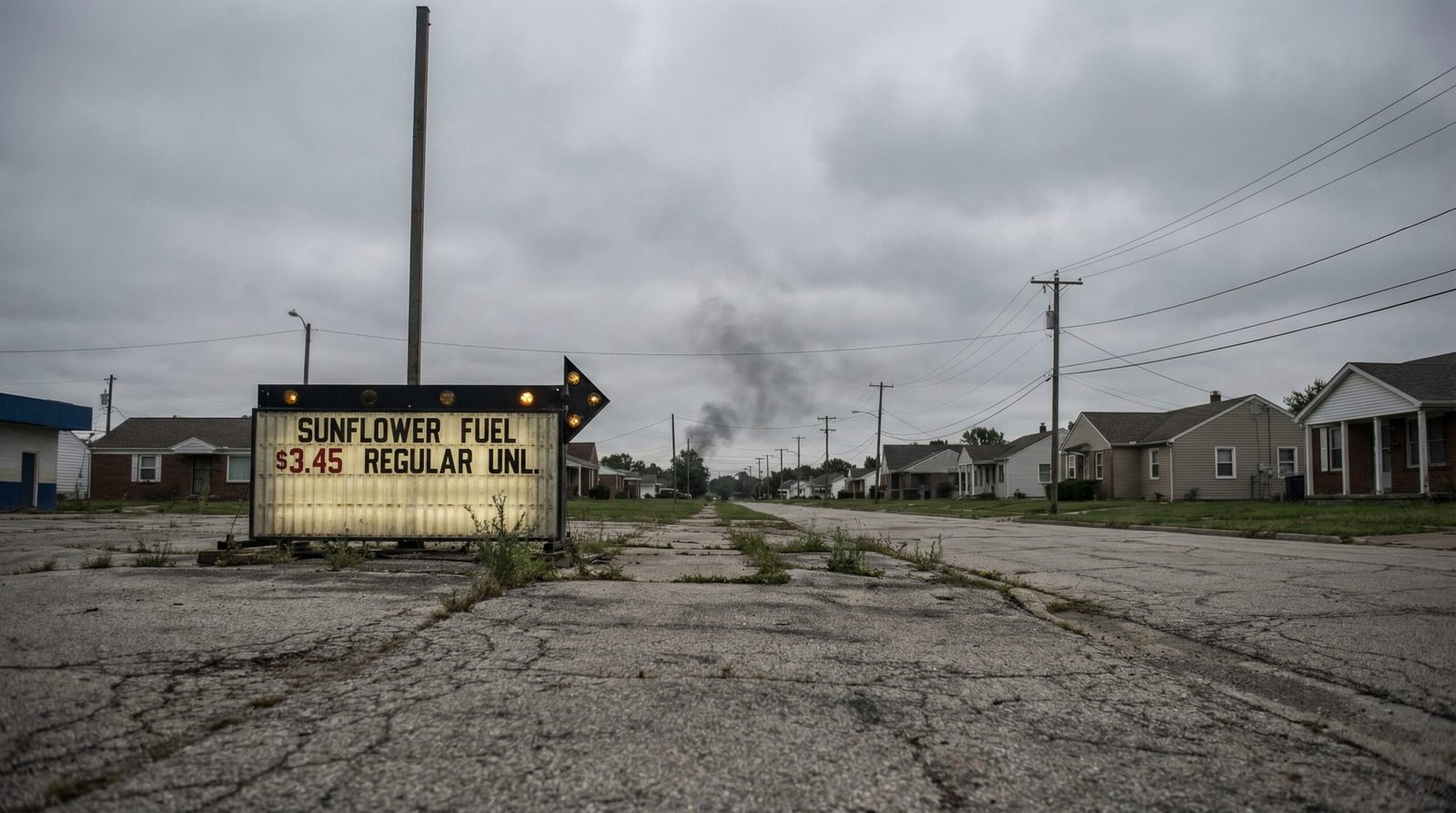
In February, Trump told a Texas crowd: “When you cut the cost of energy, you really cut the cost of everything.” He built his entire economic pitch around cheap gas as a direct benefit to working people. Then his administration launched a war against Iran on Feb. 28, and gasoline at the pump jumped 19% in a single month to a national average of $3.45, according to AAA.
The mechanism is straightforward: nearly all tankers have stopped transiting the Strait of Hormuz — the narrow waterway through which a fifth of the world’s oil normally flows — because Iran has been attacking ships. Goldman Sachs warned in an analyst note that if oil prices stay elevated, inflation could rise from 2.4% in January to 3% by year-end. That’s a de facto war tax hitting hardest on working-class and young Americans who commute by car and have the least savings buffer.
Energy Secretary Chris Wright went on CNN Sunday to say, “Worst case, this is a weeks, this is not a months thing.” Markets are less confident. Meanwhile, the administration is scrambling to offer $20 billion in federal insurance for tankers willing to risk the strait — a policy the Trump administration would have called a “bailout” under any other president.
The Stock Market Was Never Your Economy

“You know, we set the all-time record in history with the Dow going to 50,000,” Trump said Thursday from the White House. That talking point has a short shelf life: the Dow has dropped 5% over the last month. That still leaves stocks up over his presidency — but it exposes exactly who benefits from a stock-market economy and who doesn’t.
A February University of Michigan consumer sentiment survey found a “sizable” increase in sentiment among people who own stocks — “fully offset by a decline among consumers without stock holdings.” That’s not a footnote. That’s the entire story of how the economy has been structured for decades: asset owners win, everyone else absorbs the volatility.
Millennials — who entered the workforce during the 2008 financial crisis, graduated into a housing market designed to exclude them, and survived a pandemic that wiped out their savings — hold a fraction of the equity wealth that Boomers accumulated. A Dow at 50,000 is not their economy. A $3.45 gallon of gas is.
Productivity Is Up, Workers Are Getting Less
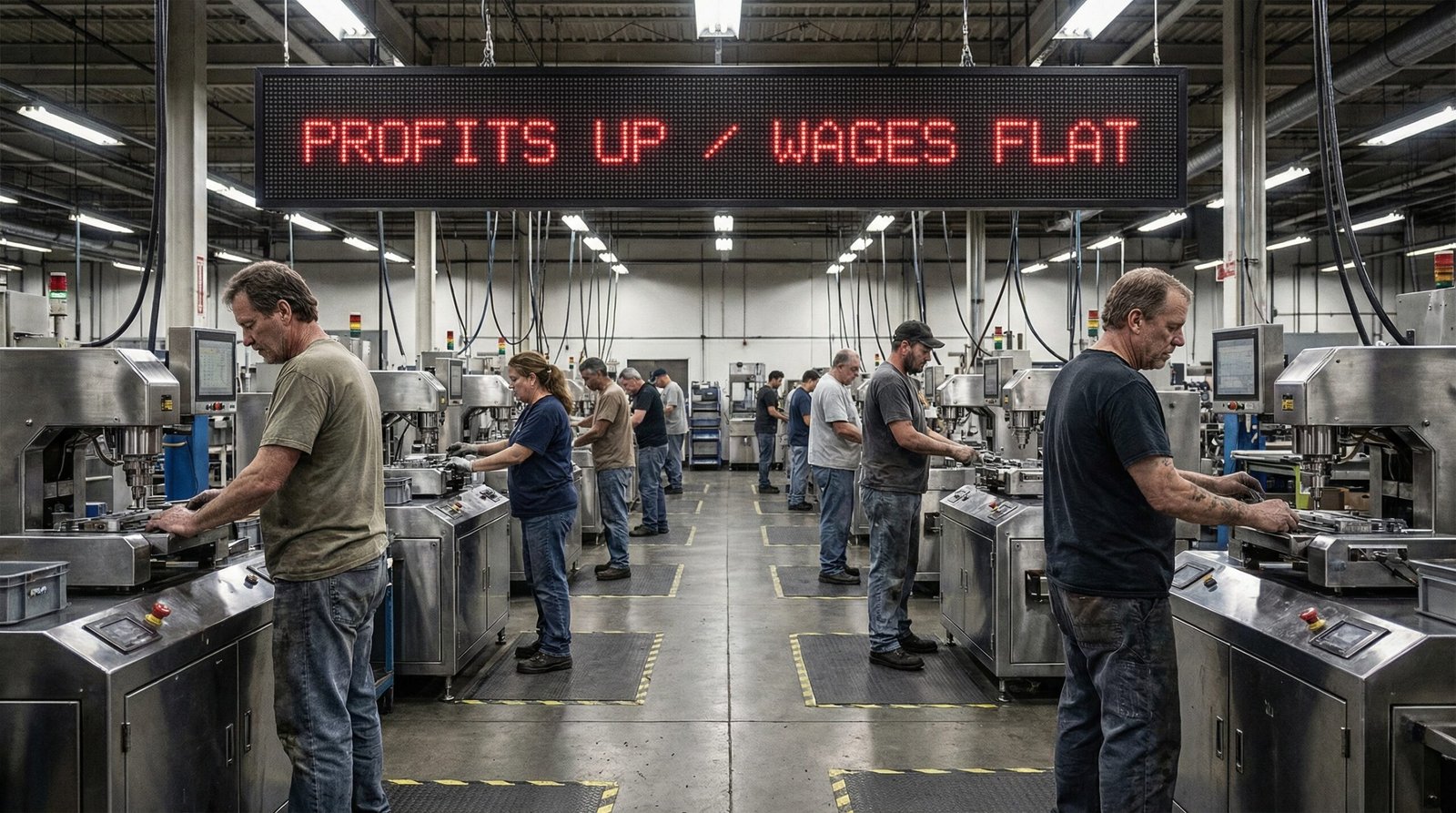
If there’s one genuinely positive data point in this picture, it’s productivity: business sector labor productivity climbed 2.8% in Q4 2025, according to the Labor Department. That’s the kind of number that gets cited in optimistic economic columns.
What those columns leave out: labor’s share of income — the percentage of economic output that flows to workers as wages rather than to owners as profits — fell to its lowest level on record in 2025, according to Mike Konczal at the Economic Security Project. In plain terms: the economy got more productive, and workers got less of it. The gains went somewhere else. They went to the people who already own things.
This is not a new phenomenon — it’s the structural logic of an economy designed during the Boomer era to reward capital over labor. The record low in 2025 is just the latest data point in a decades-long trajectory.
Biden vs. Trump: The Scoreboard They Don’t Want You to See

Trump’s economic pitch at Davos in January was built on a specific claim: that Biden had delivered “stagflation — low growth and high inflation.” The data says the opposite. The US economy grew at 2.8% under Biden in 2024. It grew at 2.2% under Trump in 2025. Inflation — measured by the PCE index, the Fed’s preferred gauge — was 2.6% in both years. By those numbers, Biden’s economy was simply stronger.
That doesn’t mean Biden was good for Millennials and Gen Z — the housing crisis didn’t get fixed, student debt wasn’t cancelled at scale, and wealth inequality widened. But the claim that Trump has restored some golden age of growth is, at this point, a political narrative with no empirical support.
The White House says it’s early in the year and stronger growth is coming. That’s what they said last year too. Meanwhile, the 2026 midterms are approaching, and the gap between what Trump promised and what the Trump economy 2026 is delivering is widening in ways that matter most to the people who can least afford to absorb it.
FAQ
How many jobs did the US lose in February 2026?
The February 2026 jobs report showed a loss of 92,000 jobs. January and December figures were revised downward, and without healthcare sector gains, the economy would have shed approximately 202,000 jobs since Trump took office.
Why are gas prices rising in 2026?
Gas prices surged 19% in one month to a national average of $3.45 per gallon because the US-Israel war against Iran, launched Feb. 28, has halted most tanker traffic through the Strait of Hormuz — the route for roughly 20% of the world’s oil supply.
Did Biden’s economy actually outperform Trump’s?
By GDP growth, yes: Biden’s last year saw 2.8% growth vs. Trump’s 2.2% in 2025. PCE inflation was 2.6% in both years. Trump’s claim that Biden delivered stagflation is not supported by the data.
What does “record-low labor share of income” mean?
It means that in 2025, workers received a smaller percentage of total economic output as wages than at any point on record. More of the economy’s gains went to capital (profits, dividends, assets) rather than to the people doing the work.
Sources
Los Angeles Times / AP — Trump’s ‘Roaring’ Economy Meets a Rough Start to 2026 (March 8, 2026)
AAA Gas Price Data
Bureau of Labor Statistics — February 2026 Employment Situation
University of Michigan Consumer Sentiment Survey, February 2026
Goldman Sachs analyst note on oil price inflation pass-through, March 2026